
How Do You Fix a Yard That Floods in Portland, OR?
When standing water appears after every rain and does not clear for days, you need drainage solutions Portland OR homeowners can count on to actually move water off the property — not just break it up with topsoil amendments that do nothing against Willamette Valley clay. HD Landscape and Maintenance installs French drains, catch basins, rain gardens, and bioswales across Portland and the surrounding metro area. Oregon LCB Licensed #9977 — call (971) 336-5520 for a free drainage assessment.
By Donavan Hesedahl, Owner · Last updated 2nd July 2026
What Causes Standing Water in Portland Yards?
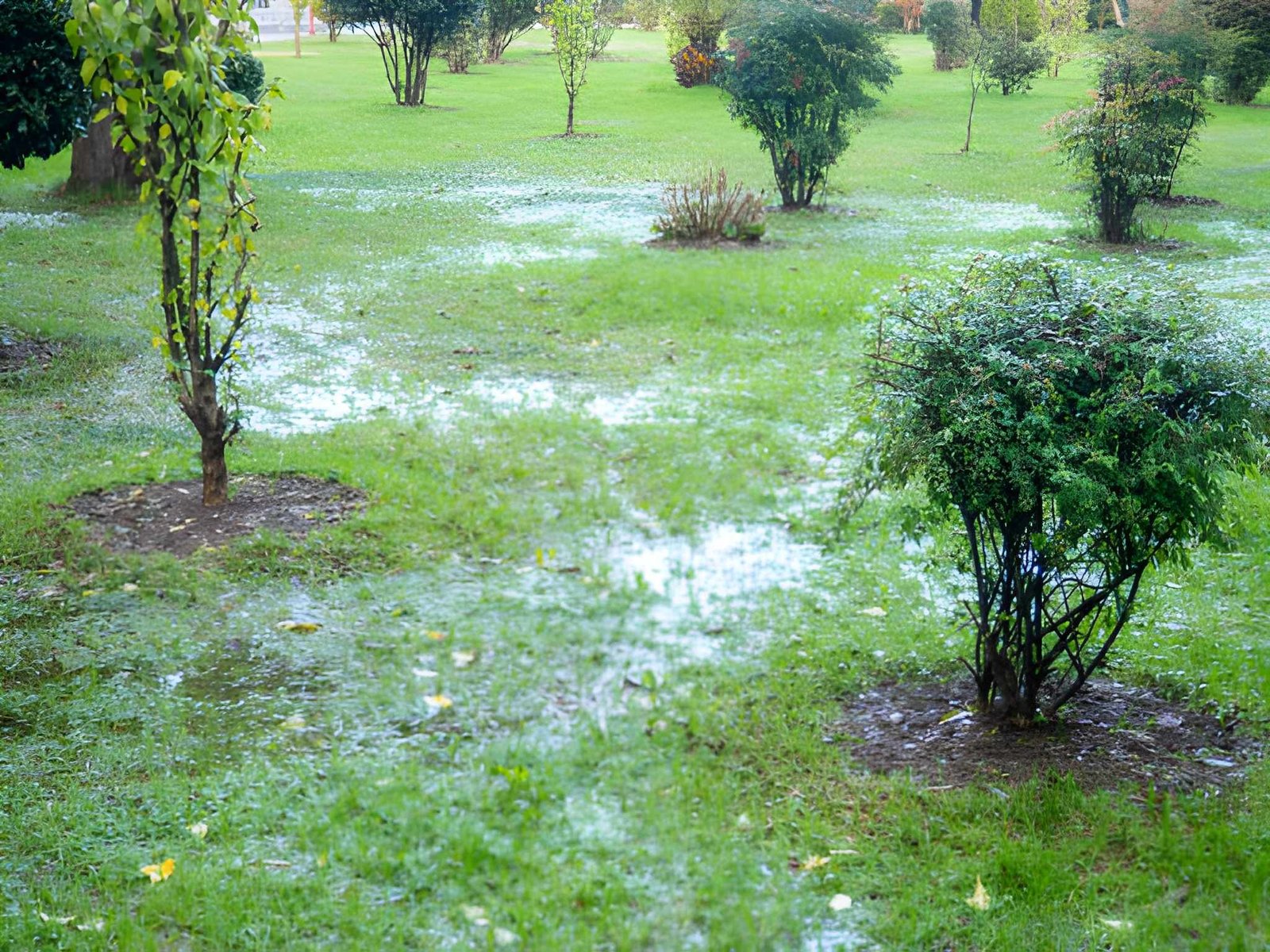
To answer, how do you fix a yard that floods? you first need to know why it is flooding. In Portland, the cause is almost always one of five things — and most Multnomah County properties have at least two working together.
Willamette Valley clay soil. Portland's native soils are dominated by Jory and Woodburn silty clay loams. Clay has an extremely low permeability rate — roughly 0.01 to 0.1 inches per hour — that cannot keep pace with Oregon's October-through-April rainy season, so water sits on top of the soil rather than moving through it.
Flat or low-lying areas. Water follows gravity. A flat section of yard with no drainage outlet becomes a collection point for everything uphill from it. This is especially common in Portland's eastside neighborhoods where topography is gentler than the West Hills.
Compacted soil. Repeated foot traffic, heavy equipment, or prior construction compresses soil particles and reduces what little drainage capacity clay soil had. New construction is a frequent trigger — builders disturb and compact large areas, leaving homeowners with drainage problems that did not exist before.
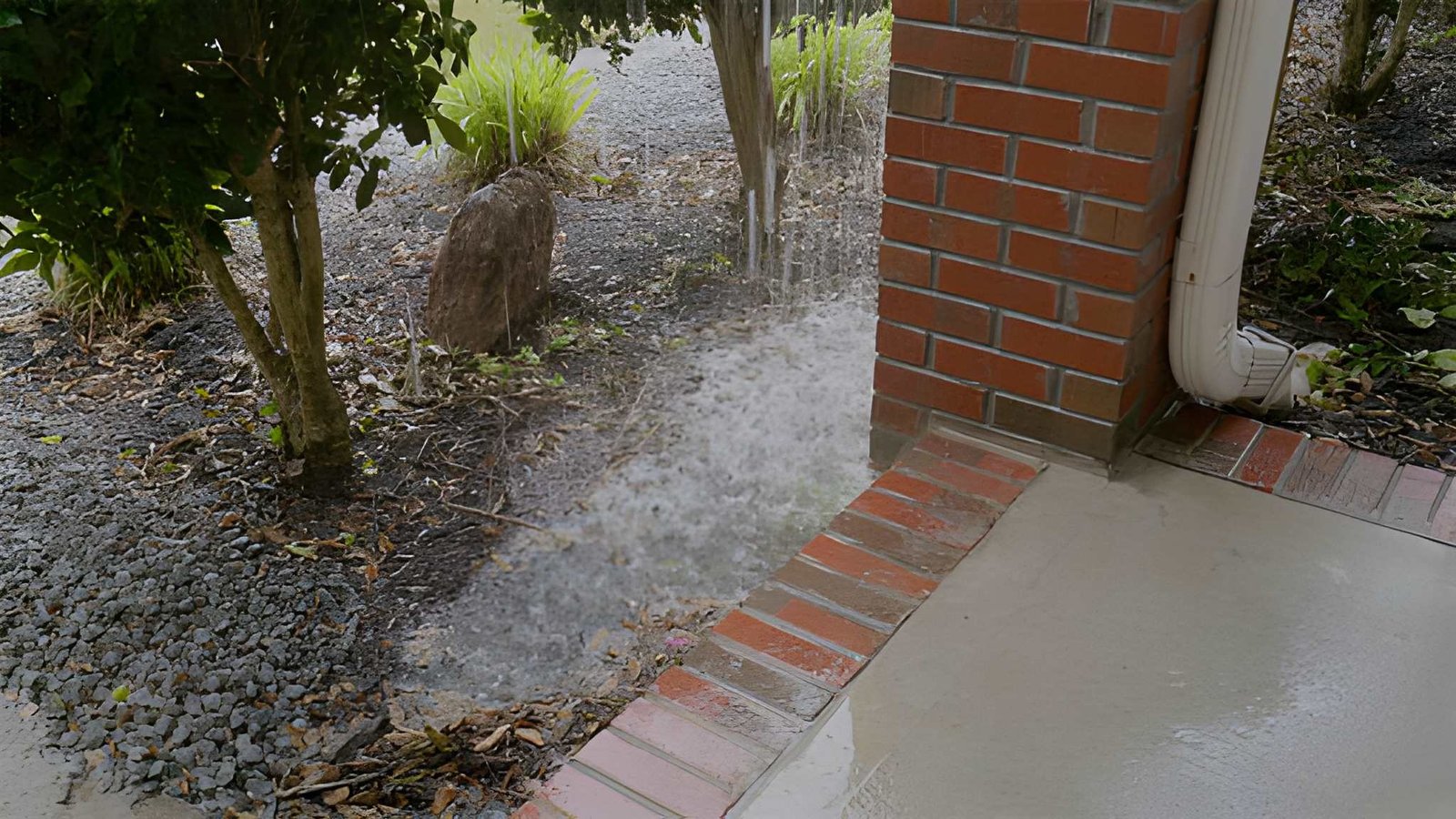
Misdirected downspouts. Roof runoff from a 1,500 sq ft roof can deliver hundreds of gallons per hour during a heavy Portland rainstorm. When downspouts discharge against the foundation or into a low yard area, they create the concentrated flooding problem that yard drainage contractors Multnomah County homeowners call us about most often.
Blocked or absent drainage infrastructure. Older Portland homes often have deteriorated catch basins, undersized drain lines, or drainage systems that simply were never installed. When those fail or were never there, standing water is the predictable result.
What Drainage Solutions Work in Portland's Rainy Climate?
Which drainage solution is best for Portland's rainy climate depends on where the water is coming from and where it needs to go. Our sustainable landscaping and drainage services use the right system for the specific problem — not a one-size approach.
French drain. The most common and effective solution for Portland clay soils. A perforated pipe in a gravel-filled trench intercepts groundwater and surface water, routing it to a discharge point — a street, storm drain, bioswale, or dry well. French drains work because they do not rely on clay permeability; they physically move water around the clay to somewhere it can escape.
Catch basin / area drain. A surface-level grate and collection box that captures water at a specific low point — a driveway apron, patio edge, or yard depression — and pipes it away. Catch basins solve concentrated surface water; French drains solve diffuse subsurface migration. Most complete systems use both.
Bioswale. A planted, gently sloping channel that slows and conveys stormwater runoff to a discharge point or rain garden. Common in newer Portland developments because the City and Clean Water Services encourage them for stormwater management.
Rain garden. A shallow, planted depression that captures stormwater from a defined impervious area and infiltrates it gradually. In Portland's clay, rain garden design requires careful sizing and typically an overflow pipe.
Dry well. A buried gravel-filled chamber that distributes collected water into deeper soil layers. Works best where deeper soil has higher permeability than surface clay; performs poorly in heavy clay through depth.
For most Portland properties with chronic flooding, slope correction combined with a French drain addresses both surface water direction and subsurface water movement. For a detailed look at the slope side, see our grading services guide.
How Much Does a French Drain Cost in Portland?
How much does a French drain cost? In Portland and the surrounding metro, a residential French drain installation typically runs $1,500 to $7,000, with most standard backyard installs landing in the $2,500–$4,500 range.
Run length drives most of the cost — the longer the trench, the more labor and material. A 40-foot drain from a chronically wet corner to the street runs differently than a 150-foot perimeter installation.
Trench depth matters too. An 18-inch drain handles surface water. A 36–48-inch drain intercepts subsurface groundwater before it reaches the foundation. Deeper installs take more excavation time in Portland clay.
Discharge point affects price when boring under a driveway is needed, or when the French drain connects to the public stormwater system — which requires a Portland BES connection permit.
Portland clay excavates harder than sandy or mixed soils, so accurate pricing from a contractor who works here regularly is worth more than a low estimate from someone pricing for a different soil type. Request a free drainage assessment.
What Is the Best Drainage Solution for Clay Soil?
What is the best drainage solution for clay soil? In Portland's Willamette Valley clay, the answer is a French drain routed to a reliable discharge point — because it is the only solution that does not depend on clay doing something it cannot do.
OSU Extension research on Willamette Valley soils shows clay permeability rates so low that surface infiltration-based solutions consistently underperform unless supplemented with a mechanical drainage route. A rain garden in sandy soil can handle 1–4 inches of water per hour; the same design in Portland clay manages roughly 0.1 inches per hour before overflowing. Sizing a rain garden for clay requires a significantly larger footprint — or an overflow pipe to a French drain.
Bioswales work well in clay for moving water laterally to a discharge point. But a bioswale routes water; it does not make clay permeable.
The practical answer for most Portland homeowners: a French drain combined with proper surface grading. Route water around the clay, not through it — clay soil drainage is an engineering problem.
What Is a Rain Garden, and Does Portland Require One?
A rain garden is a shallow planted depression that captures runoff from a defined impervious surface — typically a roof downspout or driveway — and allows it to infiltrate gradually into the surrounding soil. In Portland, rain gardens are planted with water-tolerant Pacific Northwest native species.
Does Portland require rain gardens? For most single-family residential projects — a French drain, a patio addition, a drainage correction — no. However, the Portland Clean River Rewards program offers meaningful financial incentives for voluntary stormwater management installations. Homeowners who install qualifying rain gardens, eco roofs, or cisterns receive a reduction on their stormwater utility charges.
For new construction or major additions that add significant new impervious surface, Portland's Bureau of Environmental Services stormwater requirements may trigger on-site management obligations. HD Landscape handles both voluntary Clean River Rewards projects and BES compliance-driven work.
Do I Need a Permit for a French Drain in Portland?
For most residential French drain installations, no building permit is required. Two exceptions apply.
Storm sewer connection. If the French drain connects to the public stormwater system, Portland Bureau of Environmental Services requires a stormwater service connection permit — a straightforward process we coordinate for clients, but required before any connection.
Significant grading. If the drainage project involves major soil movement above Portland's site development permit threshold, a separate permit applies. Our grading services post covers those thresholds. In Multnomah County outside Portland city limits, rules vary by jurisdiction. HD Landscape verifies permit requirements for your specific address before any work starts.
Can Drainage Problems Damage My Foundation?
Yes — and this is the most important reason not to defer a drainage problem through another wet season.
Water that consistently pools near a foundation creates hydrostatic pressure against the foundation wall. In Portland's clay soil, this pressure is sustained longer than in sandy or mixed soils because saturated clay holds water against the wall for extended periods. Over time, that pressure causes inward bowing, cracking, and eventually water intrusion into crawl spaces.
Saturated crawl spaces drive wood rot and mold in Portland's mild, damp climate — structural damage to floor joists and framing that costs far more to repair than a French drain installation would have prevented. Even Portland's occasional winter freezes accelerate crack propagation in concrete foundations that have absorbed moisture.
Drainage is foundation maintenance in Portland's climate, not a landscaping upgrade.
Portland and Surrounding Metro Area Drainage Services
HD Landscape provides drainage solutions across Portland, Lake Oswego, Beaverton, Tualatin, West Linn, and Gresham as best drainage contractors near Portland OR across Multnomah, Washington, and Clackamas counties. Whether you need French drain installation Portland OR for a chronically wet backyard, a catch basin for a driveway flooding problem, or a complete stormwater drainage Portland metro system that integrates grading, French drains, and a rain garden, we design and build it as a single engineered solution.
As yard drainage specialists in the Portland metro area and yard drainage contractors Multnomah County homeowners trust, we are Oregon LCB Licensed (#9977) and insured. Service includes Lake Oswego and Beaverton. Schedule your free drainage assessment.
Frequently Asked Questions
What causes standing water in Portland yards?
The most common causes in Portland are Willamette Valley clay soil's poor permeability, flat or low areas with no drainage outlet, compacted soil from traffic or construction, downspouts discharging near the foundation, and blocked or absent drainage infrastructure. Most properties with persistent flooding have several of these factors combining — clay soil alone during Oregon's rainy season is often enough to create chronic standing water even on gently sloping lots.
Do I need a permit for a French drain in Portland?
Most residential French drain installations do not require a permit. The two main exceptions are connecting to the public storm sewer system (requires a BES stormwater service connection permit) and projects involving significant grading above the threshold for a site development permit. Outside Portland city limits in unincorporated Multnomah County, rules vary by jurisdiction. HD Landscape verifies permit requirements before work starts.
How do you drain clay soil?
Route water around clay, not through it. A French drain — perforated pipe in a gravel-filled trench — intercepts water and routes it to a discharge point without relying on clay infiltration. Bioswales move water laterally to a discharge point. Rain gardens can work in clay but must be sized for clay's slow permeability and include an overflow pipe. Soil amendments improve clay marginally but cannot solve a drainage problem.
What is a rain garden and does Portland require one?
A rain garden is a shallow planted depression that captures roof or driveway runoff and infiltrates it gradually into the soil. Portland does not require rain gardens for most residential drainage projects. However, the Portland Bureau of Environmental Services Clean River Rewards program offers stormwater utility bill reductions for homeowners who voluntarily install qualifying rain gardens, cisterns, or eco roofs. New construction or major additions that add significant impervious surface may trigger BES on-site stormwater management requirements.
Can drainage problems damage my foundation?
Yes. Standing water near a foundation creates hydrostatic pressure against foundation walls — pressure that in Portland's clay soils is sustained longer than in more permeable soils. Over time this causes bowing, cracking, and water intrusion into crawl spaces. Saturated crawl spaces lead to wood rot and mold in Portland's mild, damp climate. Even occasional winter freezing accelerates crack propagation in moisture-saturated concrete. Drainage in Portland is foundation maintenance, not a landscaping upgrade.
Contact HD Landscape and Maintenance
HD Landscape and Maintenance 6581 SW 192nd Aloha, OR Phone: (971) 336-5520 Hours: Monday–Saturday 7 AM–7 PM · Sunday Closed Oregon LCB Lic. #9977 · Licensed & Insured · Serving Portland, Lake Oswego, Beaverton, Tualatin, West Linn, and all of Multnomah County, OR.
