How to Identify if Your Lawn Needs Repair
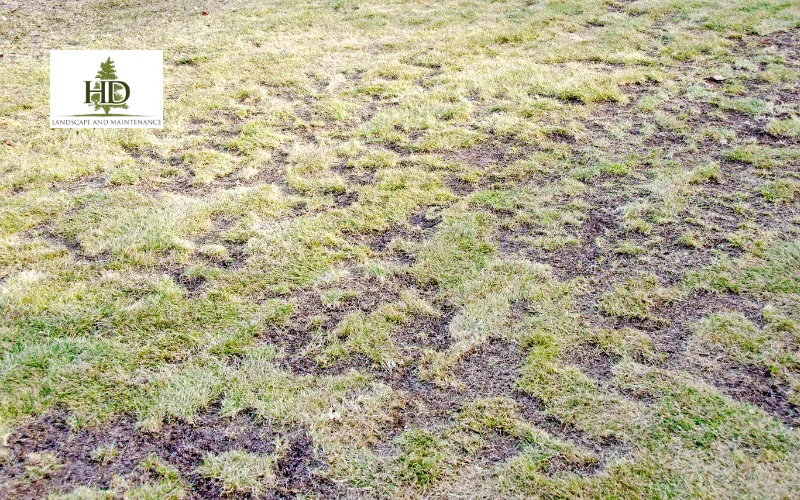
Lawn problems almost never start as disasters. They begin quietly. A patch that won’t fill in. Grass that looks dull no matter how often it’s watered. Areas that feel soft underfoot—or hard as concrete. These are early warning signs of lawn damage, and most homeowners notice them long before they know what they mean.
This topic matters now because lawns are under more stress than ever. Inconsistent rainfall, compacted soil, foot traffic, and seasonal temperature swings can turn small issues into permanent damage faster than expected. Once a lawn reaches that point, repair becomes expensive and time-consuming.
In this guide, you’ll learn how to identify lawn damage accurately, what causes it, and when professional help makes sense. You’ll also see how HD Landscape & Maintenance helps homeowners restore lawn health with long-term solutions—not short-term fixes.
Key Takeaways
Early identification of lawn damage prevents full turf replacement
Addressing issues early reduces long-term lawn care costs
Healthy soil leads to thicker, more resilient grass
Consistent maintenance improves appearance and durability
Professional lawn care eliminates guesswork and rework
Common Signs Your Lawn Is Damaged
Most lawn damage is visible if you know what to look for. The key is recognizing patterns instead of isolated imperfections.
Thin or Bare Patches
If grass refuses to grow back in certain areas, the issue is often soil compaction, poor drainage, or root damage—not lack of seed.
Discoloration Outside Seasonal Changes
Yellowing, browning, or dull green grass during active growing seasons often signals stress, nutrient imbalance, or improper watering.
Uneven Growth
Grass growing quickly in some areas and barely at all in others usually indicates soil inconsistency, shade imbalance, or irrigation problems.
Water Pooling or Muddy Areas
Standing water after rain is a strong indicator of drainage failure, which suffocates roots and accelerates lawn damage.
Weed Takeover
Weeds thrive where grass is weak. A sudden increase in weeds often means the lawn is already compromised.
When multiple signs appear together, damage is no longer superficial—it’s structural.

What Causes Lawn Damage in the First Place?
Lawn damage is rarely caused by one mistake. It’s usually the result of compounding issues.
Common causes include:
Compacted soil that restricts oxygen and root growth
Poor drainage that keeps roots saturated
Incorrect mowing height, which weakens grass over time
Over- or under-watering, often caused by improper irrigation setup
Heavy foot traffic without recovery time
Lack of seasonal adjustments in care routines
Fixing the surface without correcting these causes leads to repeated failure.
What Are Lawn Repair and Maintenance Services?
Lawn repair and maintenance services are designed to correct lawn damage at the root level and prevent it from returning.
Basic services typically include mowing, edging, and cleanup. Full-service lawn maintenance in Portland OR goes much deeper—addressing soil health, water management, and turf strength.
Professionals usually handle:
Planning: Evaluating soil condition, sunlight exposure, slope, and traffic
Materials: Selecting grass varieties and treatments suited to local conditions
Setup: Correcting irrigation patterns and drainage issues
Execution: Aeration, overseeding, nutrient balancing, and repair
Finishing: Monitoring recovery and adjusting care schedules
This structured approach turns repair into prevention.
Industry Trends You Should Know About
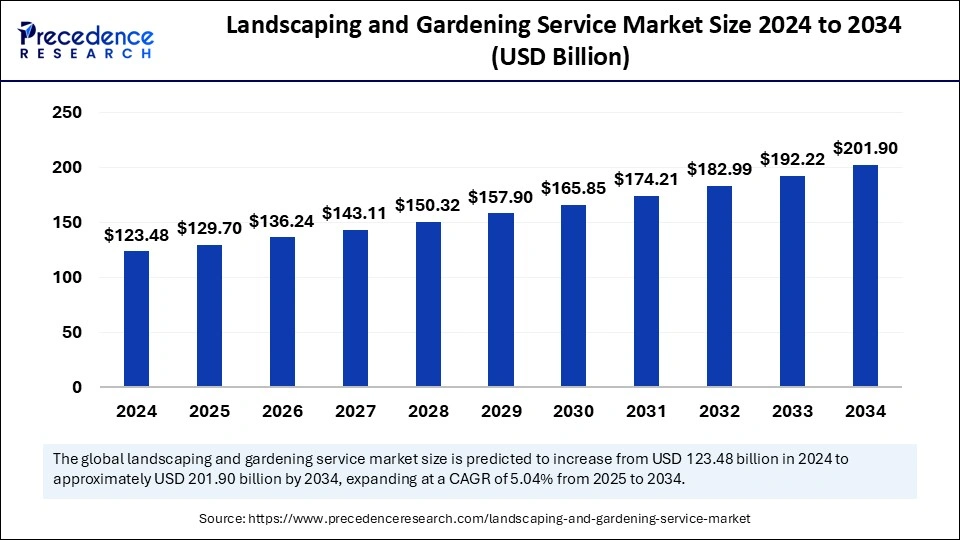
Homeowners are increasingly shifting from reactive lawn fixes to preventative maintenance strategies. The reason is practical: repairing advanced lawn damage costs far more than maintaining healthy turf.
There is also growing demand for professional lawn care near me services as homeowners realize that DIY solutions often address symptoms rather than causes. Long-term lawn health now outweighs short-term appearance.
Trust, consistency, and durability are driving modern lawn care decisions.
Benefits and Advantages of Professional Lawn Care
Saves Time and Reduces Friction
Professionals identify lawn damage quickly, avoiding months of trial and error with ineffective treatments.
Improves Consistency and Performance
Routine maintenance strengthens grass evenly, reducing weak zones where damage spreads.
Reduces Errors and Rework
Incorrect fertilization, watering, or seeding often worsens damage. Professional care avoids these costly mistakes.
Enhances Long-Term Results
Healthy soil produces thicker, deeper root systems that resist weeds, drought, and traffic.
Simplifies Ongoing Management
One provider manages planning, execution, and follow-up—no fragmented solutions.
Why Planning and Strategy Matter First
One of the most common mistakes homeowners make is skipping diagnosis and jumping straight into repairs.
For example, reseeding without addressing soil compaction often fails. Grass may sprout briefly, then thin out again within weeks. Planning identifies structural problems first—so repairs actually hold.
Effective lawn care strategy considers:
Drainage and runoff
Soil density and nutrient balance
Sun and shade distribution
Usage patterns
Without strategy, even good work produces poor results.

Tools, Materials, or Methods That Work in Real Life
Professionals rely on tools and methods chosen for durability and effectiveness—not convenience.
These include:
Core aeration equipment to relieve compaction
Region-appropriate seed blends for stronger turf
Soil-specific nutrient programs
Smart irrigation adjustments to prevent stress
These choices directly affect how fast a lawn recovers and how long it stays healthy.
Tips to Avoid Costly Mistakes
Repairing without diagnosing the root issue
Choosing lawn services based solely on price
Ignoring experience, reviews, or local expertise
Failing to track past treatments
Focusing only on appearance instead of soil health
Avoiding these mistakes protects both your lawn and your budget.
Read also: Why You Should Hire a Landscape Maintenance Company in the Winter
Frequently Asked Questions
How much does lawn repair usually cost?
Costs depend on lawn size and damage severity. Early repairs are significantly more affordable.How long does it take to fix lawn damage?
Minor damage may improve within weeks. Structural issues can take one or more seasons.Is it better to combine repair with maintenance?
Yes. Maintenance prevents repaired areas from failing again.Do professionals handle planning and setup?
Yes. Assessment and planning are essential parts of professional lawn care.Why choose local lawn care near me?
Local providers understand climate, soil, and seasonal challenges specific to the area.
Conclusion
Lawn damage rarely resolves on its own. The earlier you identify it, the more control you have over cost, time, and outcome.
Understanding the signs, addressing root causes, and following a structured care plan allows homeowners to restore lawn health with confidence—and keep it that way.
How HD Landscape & Maintenance Helps You Succeed
HD Landscape & Maintenance provides professional lawn care focused on prevention, accuracy, and long-term results. Their local experience ensures lawn damage is corrected properly—not temporarily.
If your lawn shows signs of decline, expert guidance can save you time, money, and frustration.
Call (971) 336-5520 or request a consultation through our website to get expert help with your lawn today.
