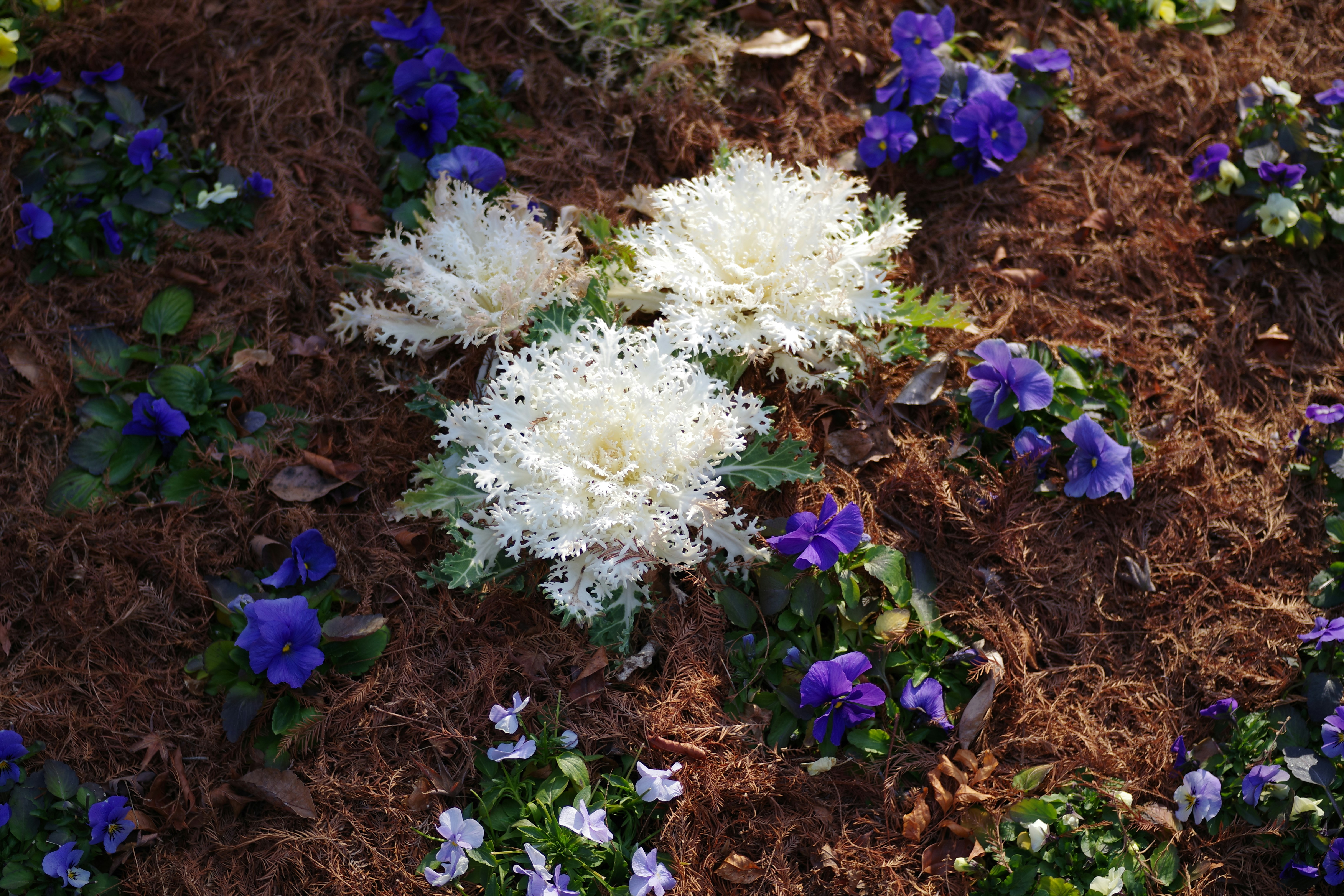
What Type of Mulch Is Best for Portland Gardens?
Mulch installation Portland OR homeowners schedule most often comes down to a choice between two materials that perform very differently in our climate: bark mulch and arborist wood chips. HD Landscape and Maintenance delivers and installs both across Portland and Multnomah County, and which one is right for your beds depends on what you're trying to accomplish — weed suppression, soil health, or simple curb appeal.
By Donavan Hesedahl, Owner · Last updated June 2026
What Type of Mulch Is Best?
What type of mulch is best for Portland gardens depends on whether you're prioritizing appearance, weed control, or long-term soil improvement — the two dominant options in this climate perform genuinely differently.
Bark mulch: A byproduct of softwood lumber processing, and the most common mulch material sold throughout the Pacific Northwest. Conifer bark — fir or hemlock — is more decay-resistant than hardwood bark, which is why it dominates the regional supply. Bark comes in two main grades: bark chips (moderate particle size, roughly 1/5 to 1/2 inch) and bark nuggets (1/2 to 2.5 inches), with nuggets breaking down the slowest and lasting longest. Bark mulch gives the clean, uniform appearance most homeowners picture when they think "mulched garden bed," and it's the right choice for front-of-house beds, formal plantings, and anywhere visual consistency matters.
Arborist wood chip mulch: Made from chipped limbs and trunks processed by tree service companies, containing a mix of wood, bark, and leaves from whatever trees were removed or pruned. Arborist wood chip mulch Portland metro homeowners are increasingly choosing for good reason — OSU Extension research has found its large, irregular particle size and woody composition resist decomposition, suppress weeds effectively, and conserve soil moisture as well as or better than bark. It's also frequently available at low cost or free directly from local tree services. The tradeoff is appearance: arborist mulch is coarser and less uniform than bark, which matters more in a formal front bed than in a backyard border.
For most Portland properties, we recommend a layered approach: arborist wood chips as the working layer where weed suppression and soil-building matter most (under trees, in backyard beds, along fence lines), and bark — particularly nuggets — in visible front beds where appearance is the priority. Determining which mulch type is best for Pacific Northwest gardens on your specific property comes down to this priority balance. Our Sustainable Landscaping page covers how mulch fits into our broader approach to soil health and reduced-maintenance garden design.
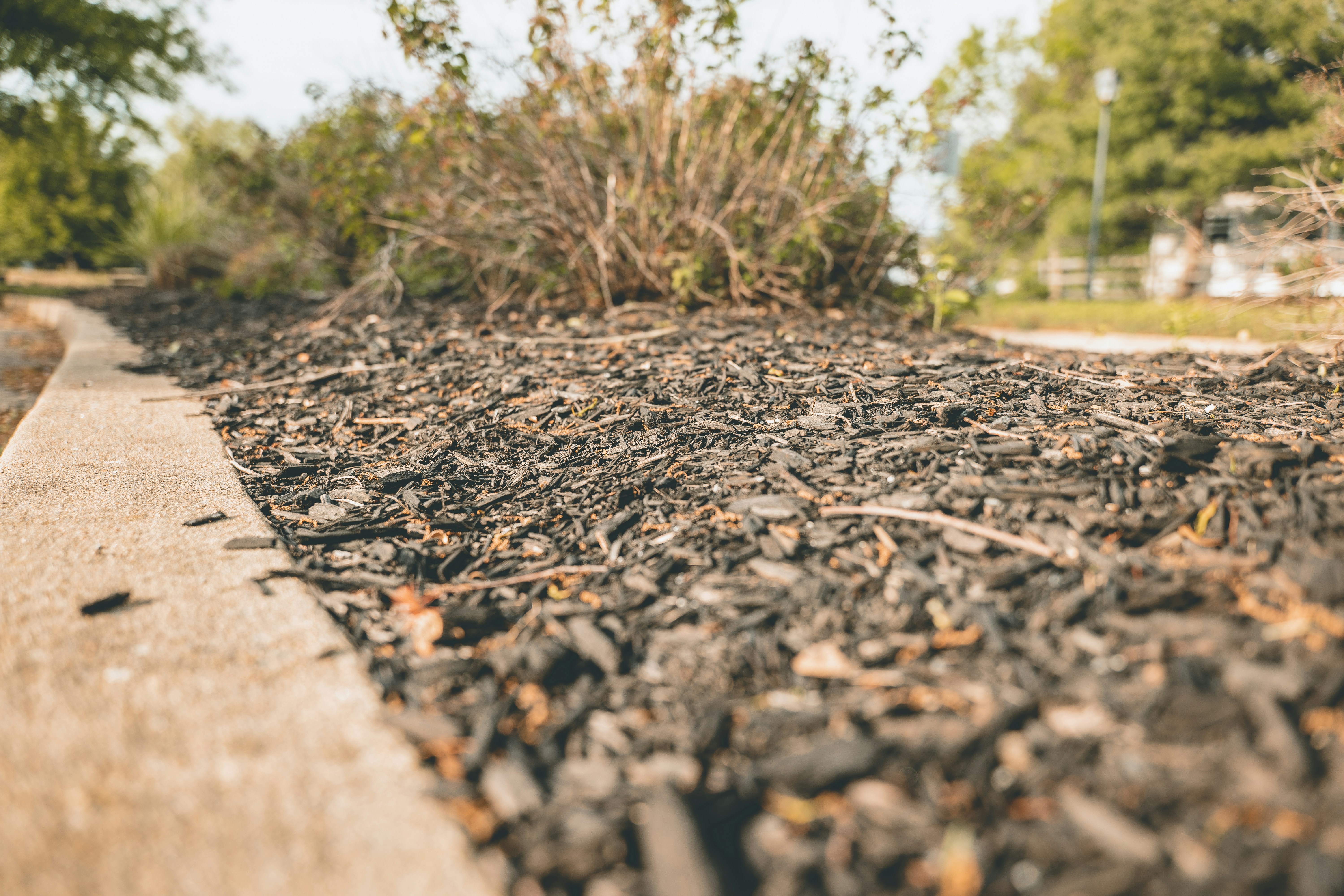
How Thick Should Mulch Be Applied?
Getting mulch depth right matters more than most homeowners realize — too thin and it doesn't suppress weeds; too thick and it can actually harm the plants it's meant to protect.
Standard garden beds: 2 to 3 inches is the correct depth for both bark and arborist wood chip mulch over established perennial and shrub beds. This depth suppresses weed germination effectively while still allowing water and air to reach the soil.
Around trees: 2 to 4 inches applied in a ring extending 3 to 6 feet from the trunk, scaled to the size of the tree. The wider and deeper the mulch ring, the more root protection and moisture retention it provides for an established tree.
The mistake to avoid: Piling mulch directly against plant stems or tree trunks — sometimes called volcano mulching — traps moisture against bark and stems, which encourages rot and disease and creates cover for rodents and insects that damage plants. Mulch should taper to a thin layer right at the base of any stem or trunk, never mounded against it. We see this mistake constantly on properties that have self-mulched or used a crew unfamiliar with proper technique, and correcting it is often as important as the mulch application itself.
Does Mulch Prevent Weeds?
Does mulch prevent weeds is one of the most common questions we get, and the answer is yes — when applied correctly and at the right depth. Mulch works by blocking the sunlight weed seeds need to germinate and by creating a physical barrier that makes it harder for weed seedlings to push through to the surface.
Both bark and arborist wood chip mulch are effective for weed suppression at the recommended 2 to 3 inch depth. Arborist wood chip mulch in particular performs well here — its irregular, interlocking particles form a denser mat than uniform bark chips, which makes it slightly more effective at blocking light to the soil surface beneath.
What mulch alone won't do is eliminate an existing weed problem. For beds with established weed growth, we recommend clearing and treating weeds before mulch installation, since mulching over existing weeds simply gives them cover to keep growing.
How Much Does Mulch Installation Cost in Portland?
How much does mulch installation cost depends on the material, square footage, and whether old mulch needs to be removed first. Here's how pricing typically breaks down for Portland-area mulch installation services:
Bark mulch installation: $50–$90 per cubic yard installed, including material and labor. A typical residential bed refresh (200–500 sq. ft. at 2–3 inches depth) runs $250–$600.
Arborist wood chip mulch installation: $30–$60 per cubic yard installed, often less when sourced directly from a tree service partnership — part of why mulch installation services Multnomah County homeowners request have shifted increasingly toward wood chips.
Large-property or full-landscape mulch refresh: $800–$2,500+ depending on total bed square footage, material choice, and whether old, compacted mulch needs removal first.
Old mulch removal is the most common added cost. Many Portland properties have years of compacted, partially decomposed mulch that needs clearing before new material can be applied effectively — skipping this step and adding more on top eventually creates a thick layer that suffocates roots and holds excess moisture against stems. Bed accessibility matters too — beds requiring wheelbarrow transport through gates or up slopes take longer than beds with direct truck access.
Contact us for a free on-site estimate — we assess your beds, recommend the right material, and provide an itemized quote before any work begins.
How Often Should Mulch Be Replaced?
How often should mulch be replaced depends on material type and how much it's decomposed or compacted since the last application.
Bark mulch: Typically needs refreshing every 1 to 2 years. Bark nuggets last longer than bark chips due to their larger particle size and slower decomposition rate, often stretching toward the 2-year mark before a full refresh is needed.
Arborist wood chip mulch: Generally lasts 2 to 3 years before needing a full refresh, since its coarser, woodier composition resists decomposition longer than bark. Annual "top-off" applications of an inch or so can extend the interval between full refreshes on either material.
Signs it's time to refresh: Visible soil showing through mulch, color fading to gray, compaction that no longer allows water penetration, and renewed weed pressure are all indicators that a property's mulch has broken down past its effective working life, regardless of exact timeline.
When Is the Best Time to Mulch in Oregon?
When is the best time to mulch in Oregon comes down to two windows that align with Western Oregon's planting and growing seasons: late March through May, and September through October. Both periods offer the moderate temperatures and natural rainfall that help mulch settle into beds without requiring extensive supplemental watering.
Spring application (March–May) is ideal ahead of the growing season — fresh mulch suppresses spring weed germination before it starts and helps retain soil moisture heading into Portland's drier summer months.
Fall application (September–October) is equally effective and arguably the better choice for new bed establishment, since fall mulch has the full wet winter season to settle and begin its weed-suppression and moisture-retention work before next year's growing season begins.
Can Mulch Be Installed in the Rain?
Can mulch be installed in the rain — yes, generally, and in Portland's climate it's often unavoidable to wait for a fully dry stretch if you're working on a seasonal timeline. Mulch installation in light rain or on damp ground doesn't compromise the material's effectiveness. What we avoid is installing during heavy, sustained rain or onto saturated, muddy soil — wet mulch is heavier and harder to spread evenly, and working saturated soil can compact it in ways that work against the drainage benefits mulch is meant to provide. A light Portland drizzle is rarely a reason to reschedule; standing water in the bed is.
Portland Areas We Serve
As one of the best mulch installation services near Portland OR with a consistent five-star rating, HD Landscape and Maintenance delivers and installs both bark and arborist wood chip mulch across the full Portland metro.
We serve all of Portland — NW, NE, SE, SW, and North — plus:
Beaverton · Hillsboro · Tigard · Tualatin · Sherwood
Lake Oswego · West Linn · Wilsonville · Newberg
Oregon City · Clackamas · Happy Valley · Gresham · Milwaukie
For homeowners searching for top rated mulch contractors in the Portland metro area, our 5.0 Google rating reflects how we approach every mulch project: correct depth, correct material for the application, and old mulch cleared before new material goes down — not just a truck dumping fresh bark on top of last year's compacted layer.

Frequently Asked Questions
How thick should mulch be applied?
Standard garden beds need 2 to 3 inches of mulch for effective weed suppression and moisture retention, while mulch around trees should be 2 to 4 inches deep in a ring extending 3 to 6 feet from the trunk. Mulch should always taper to a thin layer at the base of any stem or trunk rather than being piled against it, since mounded mulch traps moisture against bark and encourages rot, disease, and pest activity.
When is the best time to mulch in Oregon?
Late March through May and September through October are the two best windows for mulching in Western Oregon. Both periods offer moderate temperatures and natural rainfall that help mulch settle into beds. Fall application is particularly effective for new beds, since the material has the full wet winter season to begin suppressing weeds and retaining moisture before the next growing season.
Does mulch prevent weeds?
Yes, when applied at the correct 2 to 3 inch depth, mulch effectively blocks the sunlight weed seeds need to germinate and creates a physical barrier against weed seedlings. Arborist wood chip mulch performs slightly better than uniform bark due to its denser, interlocking particle structure. Mulch should be applied to weed-free beds, since mulching over existing weed growth simply provides cover for continued growth rather than suppressing it.
Is bark mulch or wood chip mulch better for Portland yards?
Both perform well in Portland's climate, and the right choice depends on priority. Bark mulch offers a more uniform, manicured appearance suited to front-of-house and formal beds. Arborist wood chip mulch offers comparable or better weed suppression and moisture retention, resists decomposition longer, and is often available at lower cost or free from local tree services — making it a strong choice for backyard beds, under established trees, and anywhere appearance is a lower priority than function and value.
Can mulch be installed in the rain?
Yes, mulch can be installed during light rain or on damp ground without compromising its effectiveness. What should be avoided is installation during heavy, sustained rain or onto saturated, muddy soil, since wet mulch is harder to spread evenly and working oversaturated soil can cause compaction. A typical Portland drizzle is rarely a reason to delay a scheduled mulch installation.
Contact HD Landscape and Maintenance
HD Landscape and Maintenance 6581 SW 192nd Aloha, OR 97007 Phone: (971) 336-5520 Hours: Mon–Sat 7:00 AM – 7:00 PM · Sun Closed Oregon LCB Lic. #9977 · Licensed & Insured Serving Portland, Beaverton, Hillsboro, Lake Oswego, Tigard, Tualatin, Gresham, Oregon City, Wilsonville, and communities throughout Multnomah, Washington, and Clackamas Counties.
