What Is Planting Installation in Portland, OR?
Planting installation Portland OR homeowners schedule most successfully in fall — when Oregon's rains return to do the watering work for you. HD Landscape and Maintenance installs native plants, garden beds, and full landscape plantings across Portland and Multnomah County, using plants selected specifically for the Pacific Northwest's wet-winter, dry-summer climate.
By Donavan Hesedahl, Owner · Last updated June 2026
What Is a Planting Installation Service?
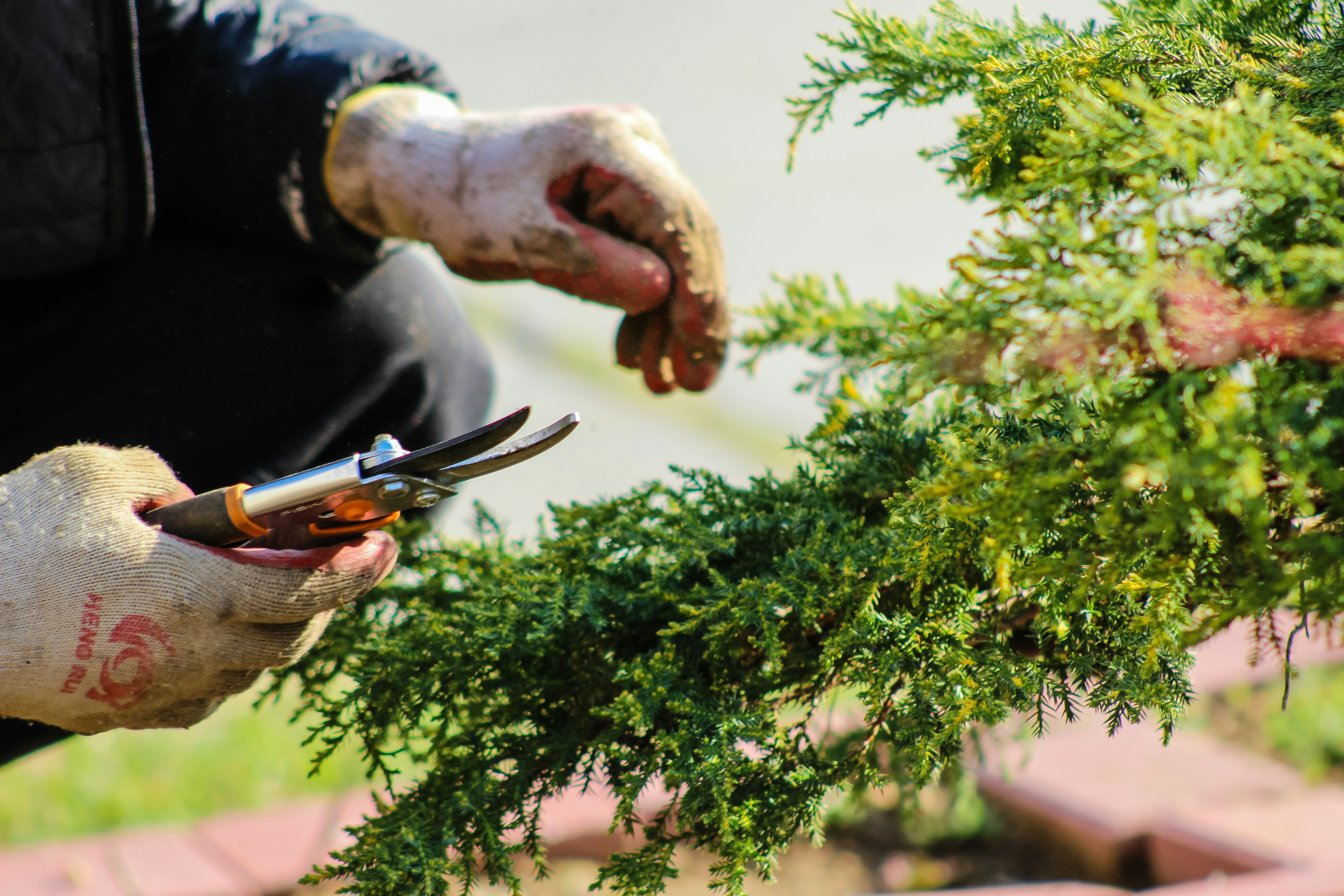
A planting installation is the professional selection, placement, and establishment of trees, shrubs, perennials, grasses, and ground covers in a residential or commercial landscape. It goes beyond purchasing plants from a nursery and putting them in the ground — a proper installation accounts for soil preparation, plant spacing, root depth, drainage patterns, and post-establishment care specific to the site.
In Portland's context, that means working with the clay-heavy soils throughout much of Multnomah County, selecting plants that survive standing water in winter and bone-dry conditions from July through September, and avoiding species on the City of Portland's prohibited plant list that can spread aggressively in Oregon's productive growing climate.
A planting installation from HD Landscape and Maintenance includes:
Site assessment: evaluating light levels, drainage patterns, soil composition, slope, and existing plants before a single species is selected
Soil preparation: incorporating compost and organic matter into Portland's clay soils so new root systems can establish rather than sitting in saturated ground through winter
Plant selection: choosing species matched to your specific site conditions — not just what's attractive on a nursery bench in April
Installation: proper hole dimensions, backfill composition, and spacing calculated for mature plant size and visual balance at full growth
Mulching: two to three inches of bark mulch to retain soil moisture during Portland's dry summers and insulate roots through wet, cold winters
Post-install guidance: specific watering schedules for the establishment period, which varies depending on whether the installation falls in fall, spring, or summer
A Landscaping & Design consultation typically starts here — with planting installation as the primary living layer, supported by hardscaping and drainage work.
What Are the Best Native Plants for Portland, Oregon?
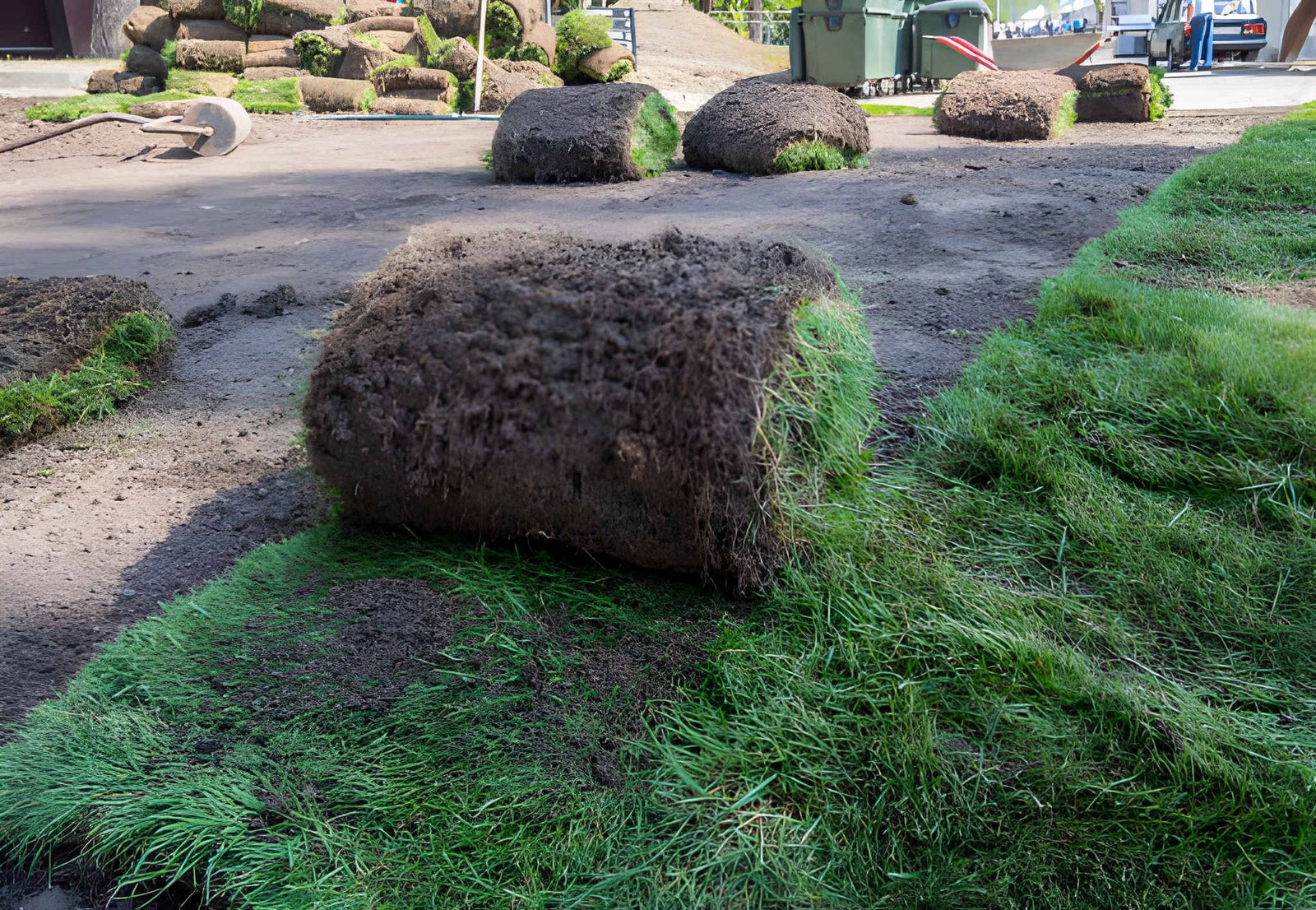
Understanding what are the best native plants for Portland Oregon means looking past what's available at the big-box garden center and focusing on what actually performs in each microclimate. Portland spans multiple hardiness zones — Zone 8b across Forest Park, Mt. Tabor, and the West Hills; Zone 9a across most of East Portland, Beaverton, and Gresham. Which native plants are best for Portland gardens depends heavily on which zone and exposure you're working in.
Here are the plants we recommend most consistently for native plant installation Portland OR projects:
Oregon grape (Mahonia aquifolium) — Oregon's official state plant. Evergreen, shade-tolerant, drought-resistant once established, and deer resistant. We use it extensively in north-facing beds across Portland's hillside neighborhoods — Forest Park adjacent streets, the West Hills, and anywhere mature trees compete for light and moisture. Yellow winter flowers are an underappreciated bonus.
Red flowering currant (Ribes sanguineum) — Deep pink spring bloom that attracts hummingbirds before most other plants are awake. Handles partial shade and clay soils well. A consistent performer in SE Portland and Sellwood-Moreland, where gardens get moderate sun and reliable winter rain.
Sword fern (Polystichum munitum) — The definitive Pacific Northwest ground cover. Evergreen, deer resistant, and extraordinarily tolerant of root competition beneath mature Douglas firs and cedars. We plant these in shaded areas where nothing else will establish, from inner NE Portland to the West Hills.
Red twig dogwood (Cornus sericea) — Designed for moist to wet low spots. We plant these near downspouts, rain garden edges, and drainage swales where most other plants would fail. Brilliant red winter stem color makes it worth planting even without the drainage needed.
Vine maple (Acer circinatum) — Oregon's native shade maple. Multi-stem form fits smaller Portland yards without overwhelming them. Outstanding orange and red fall color. Handles part shade to full sun in our climate, making it adaptable across Portland's varied exposure conditions.
Pacific bleeding heart (Dicentra formosa) — A spreading perennial that self-seeds naturally in woodland conditions. Invaluable as a weed-suppressing ground cover beneath established trees where grass won't grow and bare soil invites weeds. Once established, it requires almost nothing.
Our Sustainable Landscaping page covers our full native and drought-tolerant planting approach, including how native installations pair with smart irrigation to reduce long-term maintenance across the Portland metro.
When Is the Best Time to Plant in the Pacific Northwest?
What is the best time to plant in the Pacific Northwest gets asked in every first consultation — and the answer regularly surprises homeowners from other parts of the country.
Fall (mid-September through November) is the best planting window in Portland. Oregon's rainy season typically arrives in October, and the first weeks after a fall planting are transformative: roots establish in moist, still-warm soil while the plant's top growth goes dormant. By spring, a fall-installed plant is two to three months ahead of anything planted in March — with a root system already anchored and water needs largely covered by rain.
Spring (March through May) is the second-best window. Soil temperatures rise steadily, days lengthen, and plants push new growth eagerly. The practical risk with spring installation is that Portland's dry summer arrives before root systems are deeply established, which means more supplemental irrigation through July, August, and September.
Summer plantings are viable but require daily watering for the first four to six weeks — non-negotiable. Portland's summers are genuinely dry. Average rainfall drops below one inch per month from June through August, and newly installed plants fail without consistent irrigation during establishment. We recommend summer installation only when fall or spring scheduling isn't possible, and we're clear about the watering commitment required.
Winter (December through February) works well for bare-root trees, deciduous shrubs, and native conifers. Many Pacific Northwest natives are installed commercially as bare-root stock in winter precisely because it allows root development without the metabolic cost of supporting foliage. Portland's own Urban Forestry guidance encourages planting during wet months as the standard approach for establishing new landscape plantings.
How Much Does Landscape Planting Cost in Portland?
How much does landscape planting cost depends more on scope, plant sizing, and site conditions than on a simple per-square-foot formula. Here's how planting installation projects typically break down in the Portland market:
Small bed installation (one to three garden beds, 150–400 sq. ft.): $800–$2,500, including soil amendment, plants, and bark mulch. This covers a foundation planting refresh along a front walk or a side-yard bed installation in a typical Portland residential property.
Mid-size planting installation (full front yard or backyard, 400–1,200 sq. ft.): $2,500–$7,000. This range covers a layered planting plan — canopy trees, understory shrubs, perennials, and ground cover — with meaningful soil preparation and coordination with drainage if low spots exist.
Full-property native plant installation: $7,000–$20,000+, depending on lot size, existing conditions, and whether drainage correction or slope stabilization is needed alongside the planting.
Two variables consistently push costs higher in Portland specifically:
Clay soil remediation: Portland's native soils are clay-heavy across much of Multnomah County, particularly on the West Side and in inner SE. New planting areas need significant organic matter incorporated to depth before plants establish correctly. Skipping this step saves money in the estimate and loses plants within the first year. For landscape planting contractors Multnomah County experience means knowing this upfront.
Mature plant sizing: A one-gallon sword fern costs $8–$15; a five-gallon plant is $30–$50 but covers ground and establishes significantly faster. As garden planting services Portland metro homeowners request most often, we itemize plant sizes so clients can make informed decisions about the tradeoff between upfront cost and how quickly the installation achieves its intended coverage.
Contact us for a free on-site estimate — we visit properties throughout Portland and the metro area at no charge.
Portland Areas We Serve
As one of the best planting installation companies near Portland OR with a consistent five-star rating, HD Landscape and Maintenance works across the full Portland metro. We're familiar with the soil conditions, rainfall patterns, and plant performance differences between the West Hills, the Eastside neighborhoods, and the communities south and west of the city.
We serve all of Portland — NW, NE, SE, SW, and North — plus:
Beaverton · Hillsboro · Tigard · Tualatin · Sherwood
Lake Oswego · West Linn · Wilsonville · Newberg
Oregon City · Clackamas · Happy Valley · Gresham · Milwaukie
For homeowners searching for top rated landscape installers in the Portland metro area, our 5.0 Google rating across 302 reviews reflects how we approach every job: honest plant selection, real soil prep, and clear post-installation guidance that sets newly planted landscapes up to thrive.
We regularly pair planting installations with lawn care services when projects span both planted bed areas and turf, handling everything in one visit. See completed planting projects across the Portland metro in our project portfolio. If you're considering lower-maintenance alternatives to a traditional planted garden, our post on low-maintenance landscaping ideas covers approaches that work particularly well in Portland's climate.
Frequently Asked Questions
When is the best time to plant in Portland Oregon?
Fall — mid-September through November — is the best planting window in Portland. Oregon's rainy season returns, soil temperatures are still warm, and newly installed plants can establish roots over winter without the stress of supporting summer foliage. Spring (March through May) is the second-best option. Summer planting works but requires daily irrigation for four to six weeks. Winter is suitable for bare-root trees and native shrubs.
What plants thrive in Portland's rainy climate?
Oregon grape (Mahonia aquifolium), sword fern (Polystichum munitum), red twig dogwood (Cornus sericea), vine maple (Acer circinatum), and red flowering currant (Ribes sanguineum) are the most reliable native performers in Portland's wet winters. These plants are adapted to the wet-winter, dry-summer cycle — once established, most require little supplemental irrigation through Portland's dry season. Rhododendrons, Japanese maples, and ferns are also consistent performers across Portland's varied microclimates.
How much does it cost to install a garden in Portland?
Small garden bed installations run $800–$2,500 in Portland. Mid-size installations covering a full front or backyard run $2,500–$7,000. Full-property native plantings range from $7,000 to $20,000+ depending on lot size and how much soil amendment is needed. Clay soil remediation — common throughout Multnomah County — is the variable that most consistently pushes project costs above initial estimates.
Do I need a permit to landscape in Portland, OR?
For most residential planting installations — garden beds, native plants, shrubs, perennials, ground cover, mulch — no permit is required in Portland. Tree removal from the public right-of-way, work in designated Environmental Zones, and significant grading do require permits. Oregon state law requires that any contractor performing residential landscape work over $1,000 be licensed by the Oregon Landscape Contractors Board. HD Landscape and Maintenance holds LCB License #9977.
How often should newly installed plants be watered?
For fall and spring installations: water daily for the first two weeks, then every two to three days through the first dry season (June through September). For summer installations: daily watering for four to six weeks is essential before tapering. Even drought-tolerant Pacific Northwest natives need consistent water during their first summer in the ground. After one full growing season, most established natives in Portland require little to no supplemental irrigation.
Contact HD Landscape and Maintenance
HD Landscape and Maintenance 6581 SW 192nd Aloha, OR 97007 Phone: (971) 336-5520 Hours: Mon–Sat 7:00 AM – 7:00 PM · Sun Closed Oregon LCB Lic. #9977 · Licensed & Insured Serving Portland, Beaverton, Hillsboro, Lake Oswego, Tigard, Tualatin, Gresham, Oregon City, Wilsonville, and communities throughout Multnomah, Washington, and Clackamas Counties.
