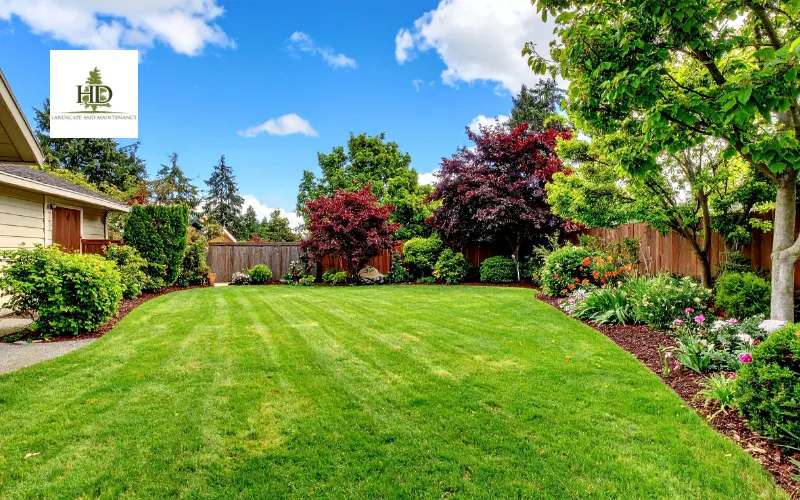
What Are Sustainable Gardening Practices and Why Do They Matter?
Most people don’t start out trying to build an unsustainable garden. It usually happens the same way every time. You plant what looks good. You water more when things don’t grow. You replace plants that don’t make it. And slowly, the yard turns into something that feels like work instead of something you enjoy.
If that sounds familiar, you’re not doing anything wrong. The problem usually isn’t effort—it’s that the landscape wasn’t designed to last.A lot of yards aren’t built around sustainable gardening practices. They’re built to look good quickly, not to handle real weather, real soil, or real life. When conditions change, the landscape struggles, and you’re left trying to fix the same problems over and over.
This matters more now than it used to. Water costs are higher. Weather is less predictable. And most homeowners don’t want to spend every free weekend babysitting their yard. That’s why more people are stepping back and asking a better question: How do I build something that actually works long term?
At HD Landscape & Maintenance, we help Oregon property owners do exactly that. This guide breaks down what sustainable gardening really means, why it matters, and how smart decisions upfront can make your landscape easier, healthier, and far less frustrating over time.
Key Takeaways
You spend less time fixing the same issues year after year
Water use drops, and so do ongoing costs
Plants grow better because they’re in the right conditions
Landscapes handle Oregon’s seasons more easily
Proper planning saves money and headaches later
What Are Sustainable Gardening Practices?
Sustainable gardening is really about common sense. Sustainable gardening practices focus on designing and maintaining landscapes in a way that respects the land instead of constantly fighting it.
That means paying attention to soil quality, drainage, sun exposure, and water use before anything gets planted. When those basics are handled correctly, plants don’t need to be forced to survive. They settle in naturally, grow stronger, and need far less attention.
It’s not about being trendy or perfect. It’s about building something that doesn’t fall apart after a couple of seasons.
Basic vs. Full-Service Approaches
Some homeowners make a few changes on their own. Maybe they replace a plant or reduce lawn space. That’s a good start, but it often doesn’t fix the bigger issues underneath.
A full-service approach looks at the entire property. It usually includes:
Checking soil conditions and drainage
Choosing plants that actually belong in that environment
Designing irrigation for water efficient landscaping
Planning mulch, grading, and long-term care
When professionals handle this, the focus isn’t just how things look today. It’s whether the landscape still makes sense five or ten years from now.
Industry Trends You Should Know About
More homeowners across Oregon are moving toward eco friendly gardening, and it’s not because it sounds nice—it’s because it works better.
People are tired of landscapes that need constant attention just to stay alive. There’s a growing shift toward designs that fit local soil and rainfall instead of ignoring them. When landscapes are built around real conditions, they’re more reliable and far less stressful to maintain.
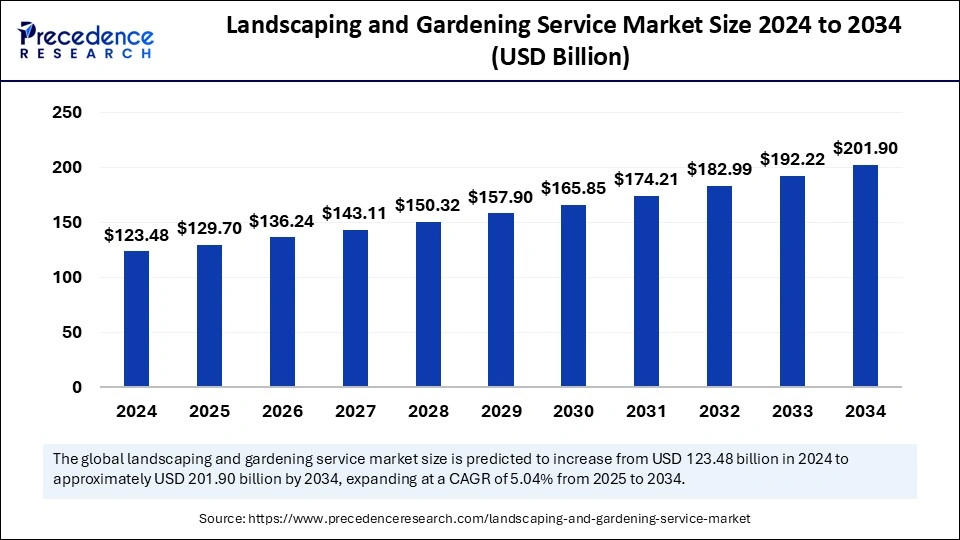
A simple trend graph showing increased interest in sustainable landscaping reflects what many professionals see every day: homeowners want landscapes that last, not ones that peak for a single season.
Benefits and Advantages of Sustainable Gardening Practices
Less Time Spent Fixing Things
When a landscape is set up properly, problems don’t pile up. Plants establish better, and maintenance becomes routine instead of reactive.
More Consistent Results
Instead of areas constantly struggling, growth evens out. The yard feels stable, not unpredictable.
Fewer Costly Mistakes
Good planning prevents common issues like overwatering, poor drainage, and repeated plant loss.
Better Long-Term Value
These landscapes don’t burn out early. They improve over time as plants mature and systems settle.
Easier Ongoing Care
Clear design makes it easier for everyone—homeowners and maintenance crews—to stay on track.

Why Planning and Strategy Matter First
One of the biggest mistakes people make is jumping straight into planting. Without understanding how water moves through the yard, where the sun hits hardest, or how the soil behaves, even good plants can fail.
Planning answers those questions upfront. It keeps small issues from turning into expensive problems later. In real landscapes, details like slope, spacing, and drainage matter more than people realize.
When you start with a plan, everything else becomes easier.
Tools, Materials, or Methods That Work in Real Life
Professionals don’t choose materials just because they look good on day one. They choose what holds up. That usually includes:
Soil improvements that help roots grow deeper
Mulch that protects plants and holds moisture
Efficient irrigation components that reduce waste
Plant varieties suited to Oregon’s climate
These choices determine whether a landscape becomes easier or harder to manage over time.
Tips to Avoid Costly Mistakes
Skipping planning and hoping it works out
Choosing plants based only on appearance
Hiring based on the lowest price
Ignoring long-term maintenance needs
Thinking one season ahead instead of several years
Read also: Residential Landscaping Near Me: Find the Right Local Company

Frequently Asked Questions
How much do sustainable gardening practices cost?
It depends on the size and scope, but many homeowners save money long term through lower water use and fewer replacements.How long does installation take?
Smaller projects may take a few days, while larger landscapes can take several weeks.Is it better to combine services?
Yes. When planning, installation, and maintenance work together, results are more consistent.Do professionals handle planning and setup?
Most full-service providers manage everything from strategy to final adjustments.Why choose a local provider?
Local professionals understand Oregon’s soil, rainfall, and seasonal challenges.
Conclusion
Sustainable gardening isn’t about doing everything perfectly. It’s about making choices that don’t create more work later. When landscapes are planned properly, they stop feeling like a constant project and start feeling like something you can actually enjoy.
A little thought upfront goes a long way toward a yard that grows better, costs less, and holds up year after year.
How HD Landscape & Maintenance Helps You Succeed
At HD Landscape & Maintenance, we focus on practical, long-term landscape solutions designed for Oregon properties. We start with planning, stay honest about what works, and build landscapes that don’t fall apart after the first season.
We serve residential and commercial properties across Oregon, creating outdoor spaces that respect local soil, rainfall, and seasonal conditions.
Reach out today at (971) 336-5520 to schedule a consultation or request an estimate through our website.
