What Is the Best Pathway Material for Portland's Rain?
HD Landscape and Maintenance approaches decorative pathway installation Portland OR homeowners request by answering the question most national pathway guides skip entirely: what does Portland's wet climate — an average of 144 rainy days a year — actually do to each material, and what specifications account for that before a single stone is set?
By Donavan Hesedahl, Founder & Owner · Last updated 7th July 2026
What Is the Best Material for a Garden Path in Portland's Wet Climate?
What is the best material for a garden path in the Pacific Northwest is a meaningfully different question than the same question asked in California, Texas, or the Southeast. Portland's precipitation pattern — heavy rainfall from October through May, with relatively dry summers — creates a set of conditions that eliminate certain materials entirely and change the specification requirements for the ones that work.
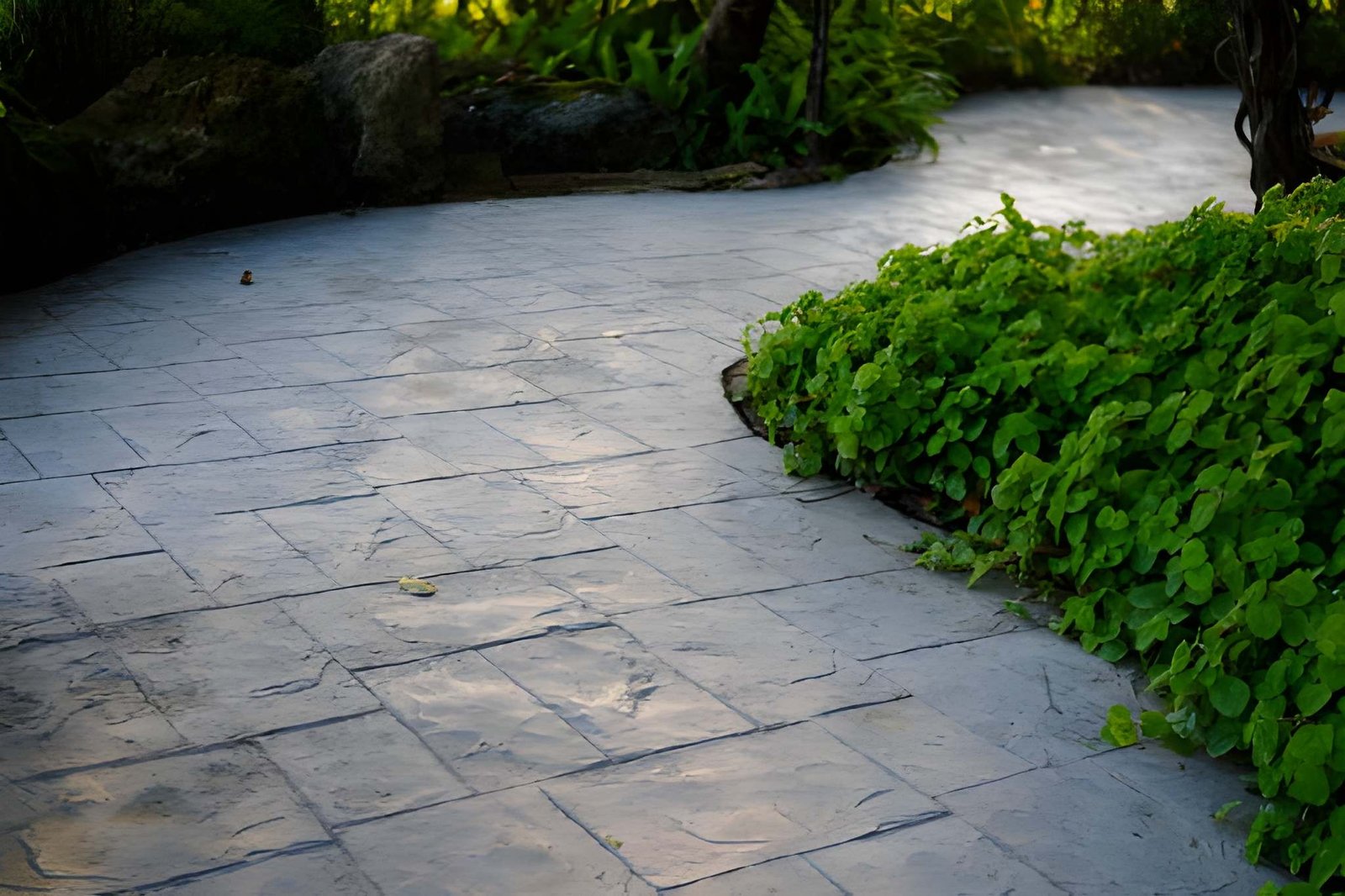
Flagstone is the premium choice for Portland garden pathways and remains our most-requested installation. Natural stone — Oregon-quarried basalt from the Columbia River corridor or Iron Mountain slate from the Cascades — creates pathways that feel native to the Pacific Northwest landscape in a way that imported stone simply doesn't. The critical specification for Portland: cleft-face or rough-textured flagstone only. Smooth-face flagstone, the polished or honed finish popular in drier climates, becomes dangerously slippery in Oregon rain. Cleft-face flagstone retains its grip even when wet, which makes it the climate-correct choice for any Portland garden.
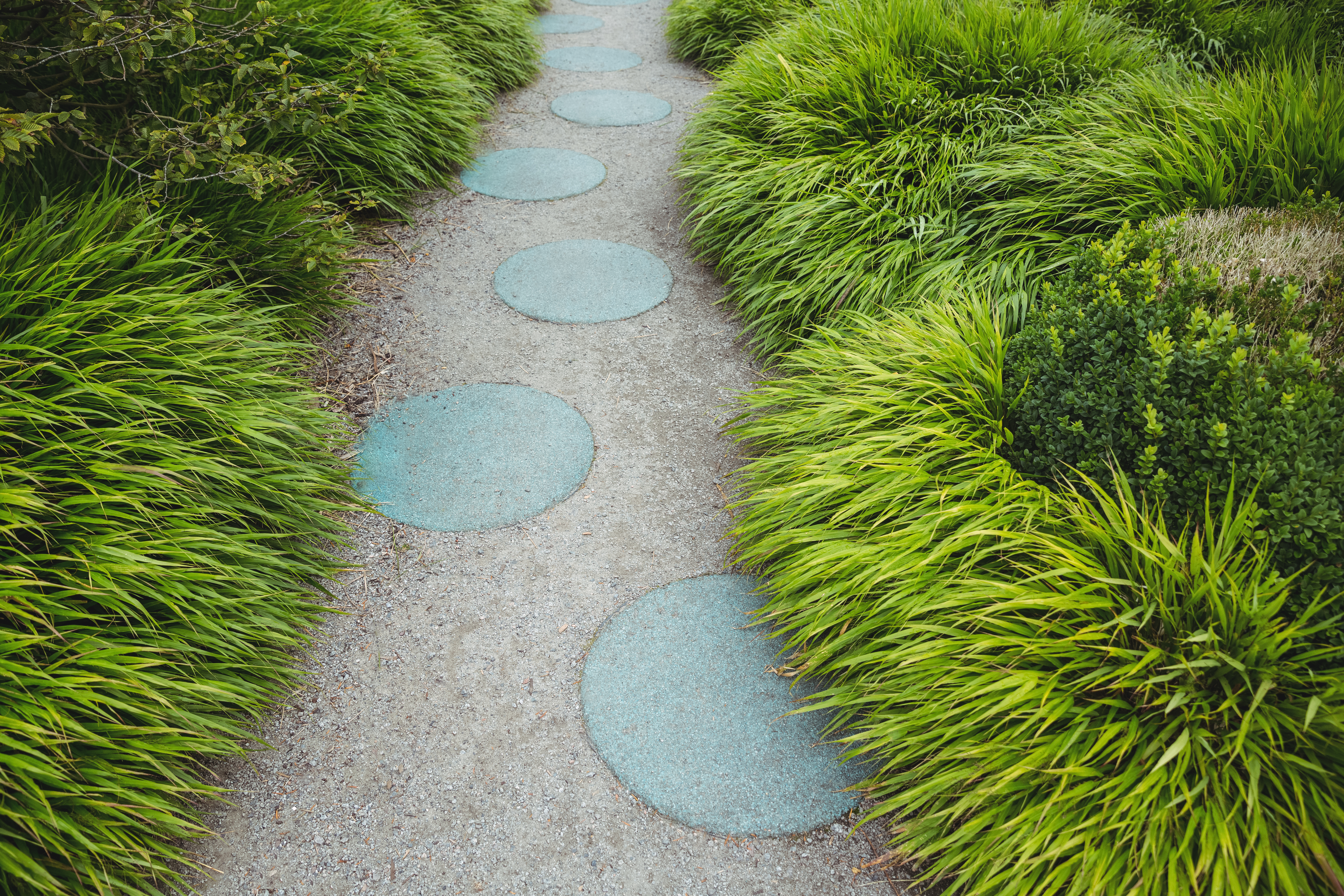
Which pathway material is best for Portland's wet climate for homeowners who want the look of natural stone without the premium cost? Stepping stones set in groundcover come second — individual pieces of basalt or bluestone set with 6–12 inch spacing through Irish moss, blue star creeper, or brass buttons. This is the quintessential Pacific Northwest garden aesthetic: naturalistic, low-maintenance, and designed to work with Portland's rainfall rather than fight it. Groundcover planted between stepping stones stays green year-round in Portland's mild climate, filling gaps that would be weed channels in drier regions.
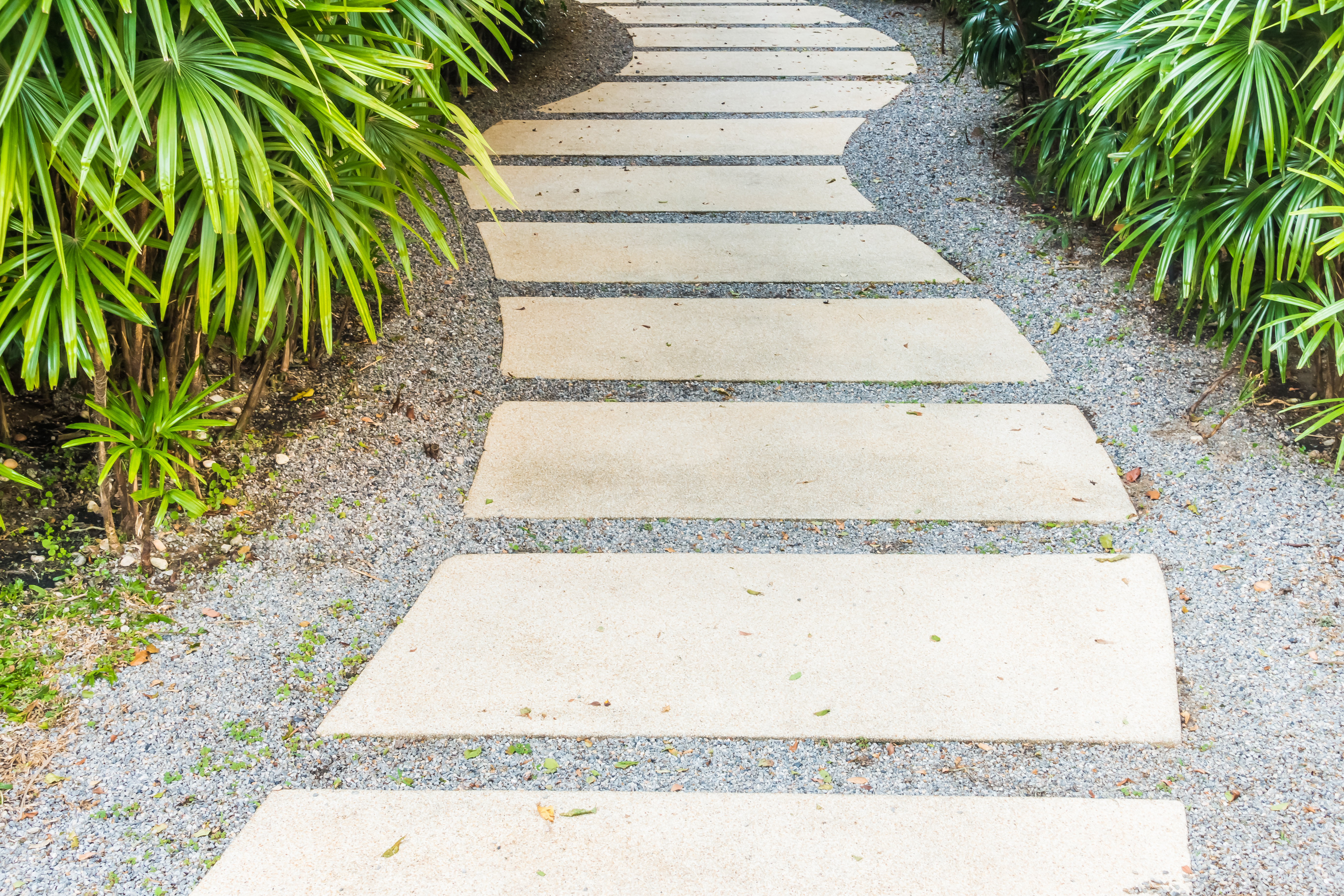
Crushed gravel or pea gravel is the budget-correct choice and, surprisingly, one of the best-performing pathway materials in Portland's wet climate. Gravel is fully permeable — rain passes straight through rather than pooling — and fines-rich crushed gravel compacts tightly, resisting the surface migration that loose pea gravel produces without edging. Gravel pathways also resist frost heave better than rigid surfaces because they flex with ground movement. The catch: steel or aluminum edging is not optional in Portland; without containment, gravel migrates into lawn and planting beds within one rain season.
What doesn't work in Portland's wet climate: Decomposed granite (DG) is worth naming directly because it's widely recommended in landscaping guides calibrated for California or the Southwest. DG is a fine-particle material that compacts well in dry conditions and becomes muddy paste in wet conditions. A Portland winter turns a DG pathway into a mud corridor within weeks. We don't install it, and we advise Portland homeowners to avoid it.
How Do You Design a Garden Walkway for a Portland Yard?
How do you design a garden walkway that functions well in Oregon's climate? Garden pathway design Portland OR should address four questions before materials are selected.
Width: A pathway for one person needs a minimum of 24 inches of clear surface. Two people side by side need 48–60 inches. For most Portland garden paths between planted beds, 36 inches is the functional sweet spot — wide enough for wheelbarrow access, narrow enough to feel like a garden path. Each additional foot of width adds 25–33% to cost.
Drainage integration: Portland's clay soils don't drain naturally, which means pathway drainage must be engineered into the base rather than assumed. A well-designed Portland pathway either sits at or slightly above grade to shed water laterally, or integrates with a French drain where the path runs through a low area. Our drainage solutions page covers the subsurface work that often pairs with pathway installation on sloped Portland lots.
Planting between stones: Groundcover planted into the joints between stepping stones outcompetes weeds, stabilizes stones against movement, and turns maintenance from an annual weeding project into a periodic trim. Productive joint plants for Portland include Irish moss (Sagina subulata), blue star creeper (Isotoma fluviatilis), baby's tears (Soleirolia soleirolii), and creeping thyme (Thymus serpyllum). All establish quickly in Oregon's wet springs.
Curves and elevation changes: Curved pathways cost 10–20% more in labor than straight runs. Steps on sloped pathways add $150–$400 per step. On properties with significant grade changes — common in Portland's hillside neighborhoods — the pathway design must account for steps or switchback routing to remain safely navigable in wet conditions.
How Much Does a Garden Pathway Cost in Portland, OR?
How much does a garden pathway cost in the Portland metro in 2026? Portland's labor market sits above the national average, pushing installed pathway costs higher than national benchmarks:
Crushed gravel pathway: $6–$12 per square foot installed, including compacted crushed rock base, edging, and gravel surface. A 4-foot-wide, 25-foot path (100 sq ft) runs $600–$1,200.
Stepping stone pathway: $150–$350 per stone installed, including base preparation and joint planting. A 20-stone path through a garden bed typically runs $3,000–$7,000 depending on stone size and groundcover scope.
Flagstone pathway, dry-laid on sand and gravel: $18–$32 per square foot installed. For a 100 sq ft pathway, that's $1,800–$3,200. Oregon-quarried basalt and Iron Mountain slate fall at the lower end; imported bluestone is at the top.
Flagstone pathway Multnomah County projects often include base upgrades due to local soil conditions — deeper crushed rock base, filter fabric, and edge restraint add $2–$5 per square foot above the national baseline, producing a pathway that doesn't heave and settle through Portland's winters.
Do Decorative Pathways Need a Base in Portland's Clay Soil?
Yes — and the base in Portland needs to be deeper than most national guidelines recommend. Standard guidance for a decorative pathway base is 3–4 inches of compacted crushed rock. In Portland's clay-heavy Willamette Valley soils, that's the minimum for stepping stones and insufficient for flagstone or gravel paths in drainage-challenged areas. We typically excavate 5–7 inches for flagstone pathways and line the base with filter fabric before setting 4–5 inches of 3/4-inch minus crushed rock.
Portland's clay holds moisture. A base set in native clay retains water against the underside of flagstone, accelerating moss growth, causing differential settlement as clay expands and contracts with seasonal moisture changes, and creating frost-heave conditions in Portland's four to six annual freeze-thaw cycles. Crushed rock base with proper drainage addresses all of these simultaneously.
Regarding permits: pathway installation on private residential property in Portland does not require a building permit from the Portland Bureau of Development Services. If the project crosses into the public right-of-way, a street opening permit from the Portland Bureau of Transportation is required. HD Landscape confirms the permit requirement for every project before scheduling.
Can Flagstone Pathways Become Slippery in Rain?
Yes, and smooth-face flagstone in particular is a genuine slip hazard when wet. This is the most practically important question for Portland flagstone pathway installation.
Natural flagstone comes in two primary finishes: smooth-face (sawn, honed, or polished) and cleft-face (split along the natural stone grain, leaving a rough textured surface). In a dry climate, the difference is mostly aesthetic. In Portland, which receives rain on more than 140 days per year, the difference is safety-critical. Cleft-face flagstone retains traction when wet because the micro-texture of the split stone provides grip. Smooth-face flagstone becomes a wet-surface slip risk that post-installation sealant doesn't fully correct.
Gravel pathway installation Portland metro projects avoid the slip hazard entirely — loose aggregate never becomes slippery in rain. Stepping stones set slightly above the surrounding groundcover also shed water quickly and maintain reasonable traction.
Maintaining flagstone in Portland means managing moss. In shaded conditions — north-facing paths, paths under tree canopy — moss colonizes flagstone reliably. If the design embraces moss as a Pacific Northwest element, joint planting with decorative moss varieties and periodic surface clearing is the maintenance approach. If a clean stone surface is preferred, an annual moss-control application and biennial resealing with penetrating stone sealer keeps the surface clear.
HD Landscape for Decorative Pathway Installation near Portland
For homeowners searching for the best pathway designers near Portland OR or top rated landscape pathway contractors in the Portland metro, the question is whether the contractor has designed pathways in Oregon's climate or is applying specs calibrated for somewhere else.
HD Landscape and Maintenance is an Oregon-licensed landscape contractor (LCB #9977) based in Beaverton and active across the Portland metro — Portland, Lake Oswego, Hillsboro, Tigard, Gresham, Tualatin, and Multnomah County neighborhoods from Sellwood to St. Johns. Donavan Hesedahl and his team have installed garden pathways through full Oregon winters — the projects that test whether the base is deep enough, the stone texture was the right call, and the drainage integration worked. That accumulated experience in this specific climate is what separates a pathway that lasts from one that needs resetting in two years.
For hardscaping that often pairs with pathway installation, see our grading services for slope preparation and our outdoor lighting page for pathway lighting options. Request a free estimate and we'll walk the property, assess drainage, and propose materials matched to your yard's actual conditions.
Frequently Asked Questions
How wide should a garden pathway be?
For a single-person garden path, a minimum of 24 inches of clear walking surface is functional. For two people walking side by side, 48–60 inches. The practical standard for most Portland backyard garden paths is 36 inches — wide enough for comfortable solo use and wheelbarrow access, narrow enough to feel like a garden path. Each additional foot of width adds 25–33% to material and labor cost, so width is a meaningful budget lever.
Do decorative pathways need a base?
Yes, always — and in Portland's clay soils, the base needs to be deeper than most online guides recommend. A proper Portland pathway base is 4–6 inches of compacted 3/4-inch minus crushed rock, lined with filter fabric, and set below grade so the finished surface is at or slightly above surrounding soil. Skipping the base or underbuilding it produces pathways that heave, settle, and crack through Portland's winter freeze-thaw cycles.
Can flagstone pathways become slippery in rain?
Yes — smooth-face flagstone is a genuine slip hazard when wet. Portland averages over 140 rainy days per year, making cleft-face or rough-textured flagstone the correct specification for any path where traction matters. Cleft-face flagstone retains grip when wet because the natural split surface provides micro-texture. Smooth-face (sawn or polished) flagstone loses traction significantly in rain, and sealers do not reliably correct this.
How do you maintain a gravel pathway in Portland?
Gravel pathways in Portland need edging maintained (steel or aluminum edging holds gravel from migrating into adjacent areas), an annual or biennial top-dressing of fresh gravel as material settles and compacts, and periodic weeding or application of pre-emergent weed control in spring. In shaded areas, moss can colonize the gravel surface — a moss-control application in fall prevents significant accumulation. Gravel's drainage performance means it requires less structural maintenance than stone.
What is the cheapest pathway material?
Crushed gravel is the most cost-effective installed pathway material in the Portland metro, typically running $6–$12 per square foot including base, edging, and gravel surface. Stepping stones through groundcover can be installed at lower per-square-foot cost than flagstone but require more groundcover establishment time. Decomposed granite, often listed as the cheapest option in national guides, does not hold up in Portland's wet climate and should be avoided.
Call or Visit Us
HD Landscape and Maintenance 6581 SW 192nd Beaverton, OR 97007 Phone: (971) 336-5520 Hours: Mon–Sat 7:00 AM – 7:00 PM Oregon LCB License #9977 | 5.0 ★ | Serving Portland, Beaverton, Hillsboro, Lake Oswego, Tigard, Gresham, Tualatin, Oregon City, and the Portland metro.
Request a free pathway estimate →
