
What Do Yard Maintenance Services Actually Cover?
A lot of homeowners assume yard maintenance services mean mowing the lawn and clearing leaves. That’s usually where the understanding stops. And honestly, that’s where a lot of frustration starts too.
Real yard care goes deeper than surface cleanup. It involves plant health, soil conditions, water use, and timing things that slowly affect how a yard performs over months and years, not days. When those pieces are ignored, the yard may look “fine” for a while, but problems build quietly underneath.
This matters more now than it used to. Oregon weather is unpredictable. Water efficiency is a real concern. And many property owners start searching for yard maintenance near me only after the same issues keep coming back. At HD Landscape & Maintenance, this confusion shows up often. Yards that look decent on the surface, yet struggle long-term.
This guide breaks down what’s actually included, what’s often missed, and what to expect if you want results that hold up.
Key Takeaways
Saves time by preventing problems before they spiral
Improves efficiency by managing plants, soil, and water together
Reduces long-term costs by avoiding repeat fixes
Creates more consistent results throughout the year
Replaces reactive care with a structured, professional approach
What Are Yard Maintenance Services?
At its core, yard maintenance is about keeping an outdoor space healthy and manageable over time, not just neat for a few days after a visit.
What’s Usually Included
A more complete approach often covers:
Routine lawn and turf care
Weed control and prevention
Pruning focused on plant health, not just shape
Seasonal cleanups
Irrigation checks and small adjustments
Basic soil health and drainage observation
Basic Care vs Full-Service Care
Basic maintenance handles visible tasks—mowing, trimming, blowing debris. It helps with appearance, but not much else.
Full-service yard maintenance services take a wider view. Soil, water use, plant stress, and seasonal timing all factor into how the work is planned.
What Professionals Typically Handle
Planning & strategy: Seasonal schedules and long-term care plans
Tools & materials: Commercial equipment and proven methods
Setup & adjustments: Water efficiency checks and system tuning
Execution: Consistent care based on real conditions, not guesswork
Final checks: Making sure everything works together, not separately
Industry Trends You Should Know About
Homeowners are slowly moving away from quick cosmetic fixes. The focus now is longevity. Fewer problems. Less rework.
This shift is happening for a few simple reasons:
Water costs keep climbing
Weather patterns are harder to rely on
Poor planning leads to repeat spending
Low-maintenance landscapes simply last longer
The trend isn’t about doing more. It’s about doing things smarter.
Benefits and Advantages of a Structured Approach
Saves Time
When maintenance follows a plan, you’re not constantly reacting to new issues every season.
Improves Consistency
The yard looks and performs better year-round, not just right after service.
Reduces Rework
Addressing soil and plant health early prevents the same failures from repeating.
Supports Long-Term Results
Landscapes built for longevity handle seasonal stress more easily.
Simplifies Ongoing Decisions
One clear plan beats a series of disconnected fixes.

Why Planning and Strategy Matter First
Jumping straight into routine work is where many yards slowly go off track. Without a plan, even regular yard maintenance can create uneven results.
Overwatering is a common example. It might help plants short-term, but it weakens root systems and causes drainage problems later. Poor pruning timing can stress trees instead of helping them recover. These issues aren’t random. They come from skipping strategy.
A solid plan looks at:
Seasonal growth patterns
Soil composition
Sun exposure
Water movement and drainage
Plant compatibility
That structure is what separates sustainable yards from high-effort ones.
Tools, Materials, or Methods That Work in Real Life
Experienced professionals rely on:
Commercial-grade mowers and trimmers for consistent cuts
Soil testing tools to guide planting and turf decisions
Smart irrigation controls to reduce water waste
Durable mulches and soil amendments that improve long-term health
These choices affect how often maintenance is needed. And how well the yard holds up over time.
Tips to Avoid Costly Mistakes
Skipping planning and jumping straight into routine work
Choosing based on price alone instead of long-term approach
Ignoring experience or real reviews
Not tracking what’s done season to season
Thinking short term when the yard needs long-term thinking
Read also: What Are Sustainable Gardening Practices and Why Do They Matter?

Frequently Asked Questions
How much does yard maintenance usually cost?
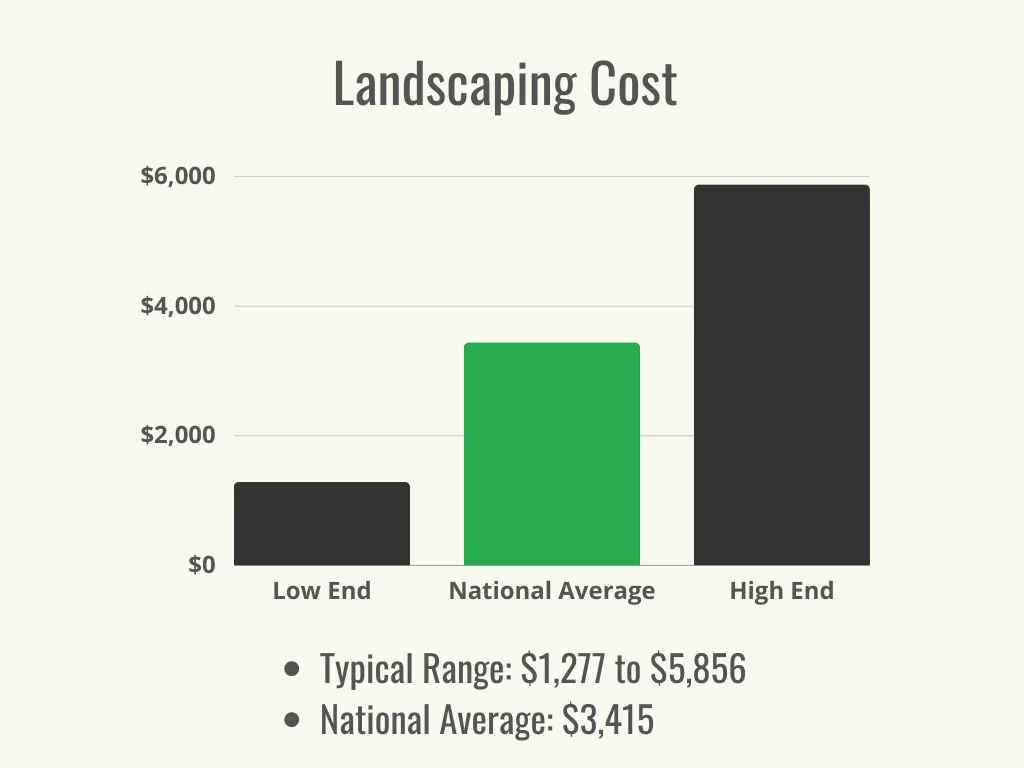
Costs depend on property size and scope, but consistent care often costs less than repeated repairs.
How long does proper yard maintenance take?
Most properties need year-round attention, with heavier work during seasonal transitions.
Is it better to combine multiple tasks?
Yes. Coordinated care improves efficiency and prevents missed issues.
Do professionals handle planning and setup?
A complete approach includes planning, adjustments, and execution.
Why choose a local, specialized provider?
Local experience leads to better decisions based on climate, soil, and seasons.
Conclusion
Understanding what yard maintenance services actually cover helps avoid short-term fixes that quietly cost more over time. When care is planned around soil health, water use, and seasonal demands, landscapes last longer and require less effort.
The goal isn’t constant attention. It’s fewer problems, better performance, and confidence that the yard is being managed the right way.
How HD Landscape & Maintenance Helps You Succeed
HD Landscape & Maintenance focuses on structured, long-term yard care built for Oregon conditions. The approach is simple—clear planning, consistent execution, and realistic expectations.
If you want guidance on maintaining a healthier, lower-effort landscape, you can call (971) 336-5520) or use the contact form to start a straightforward conversation. No pressure. Just clarity.
