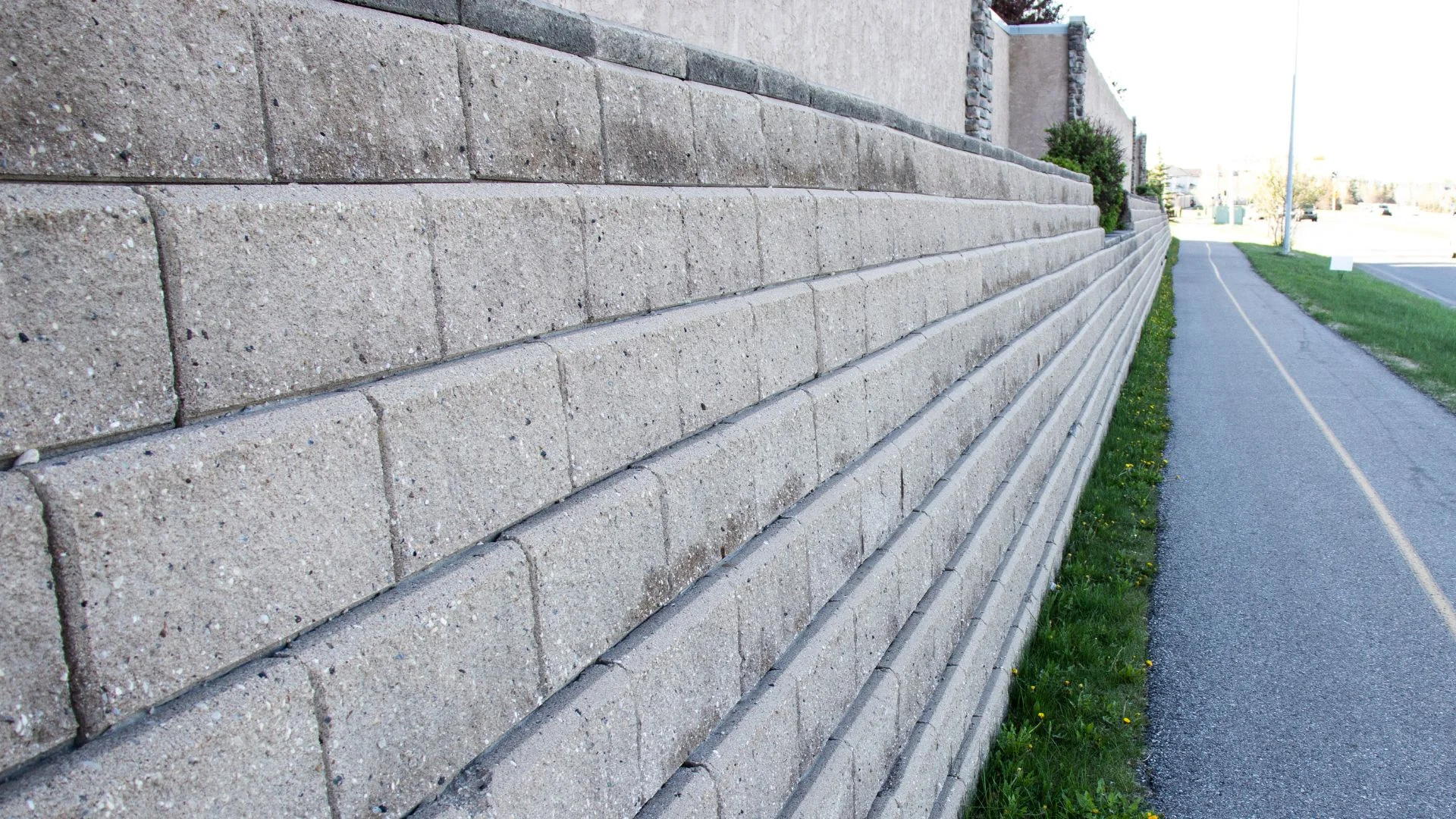
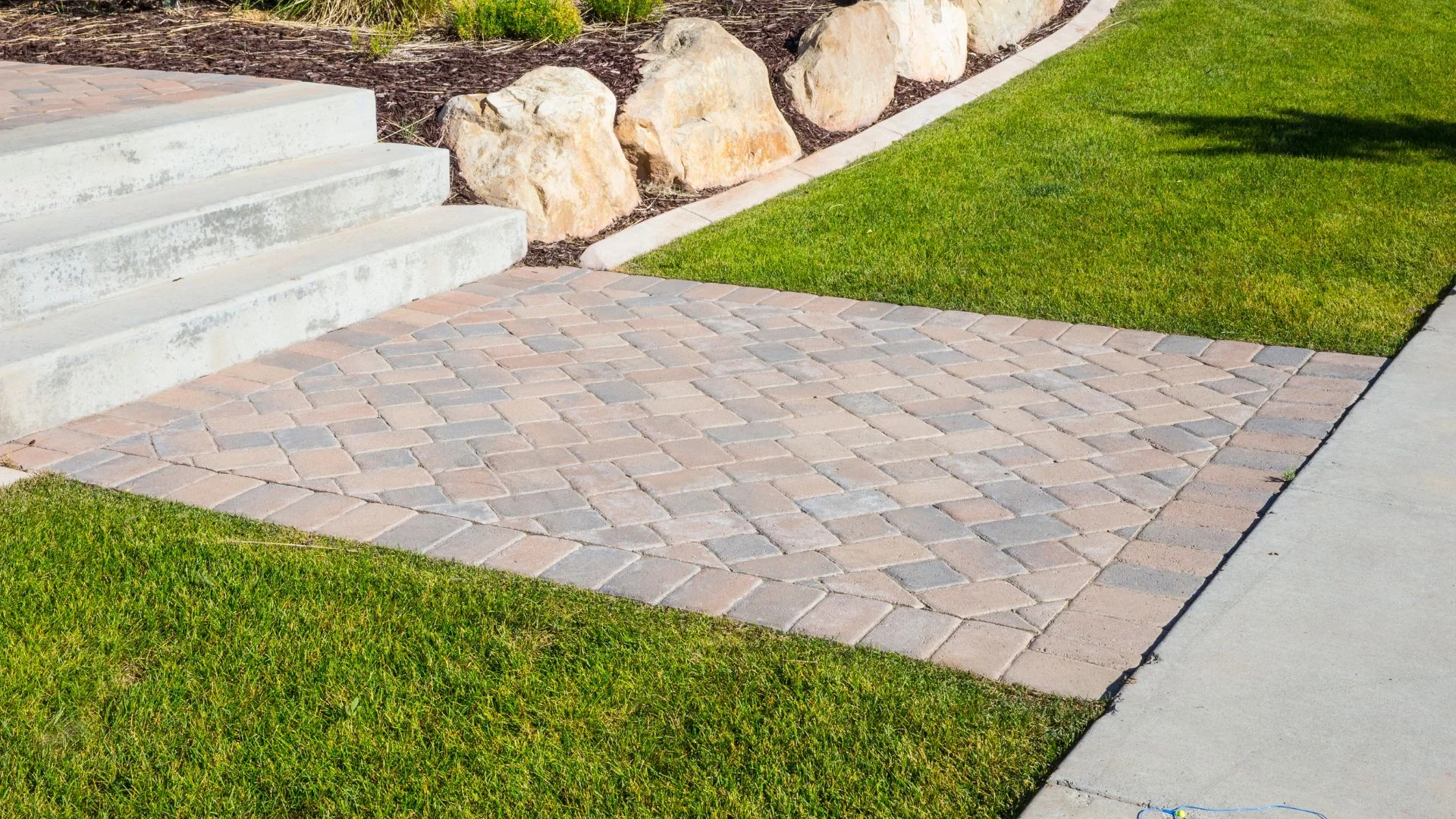
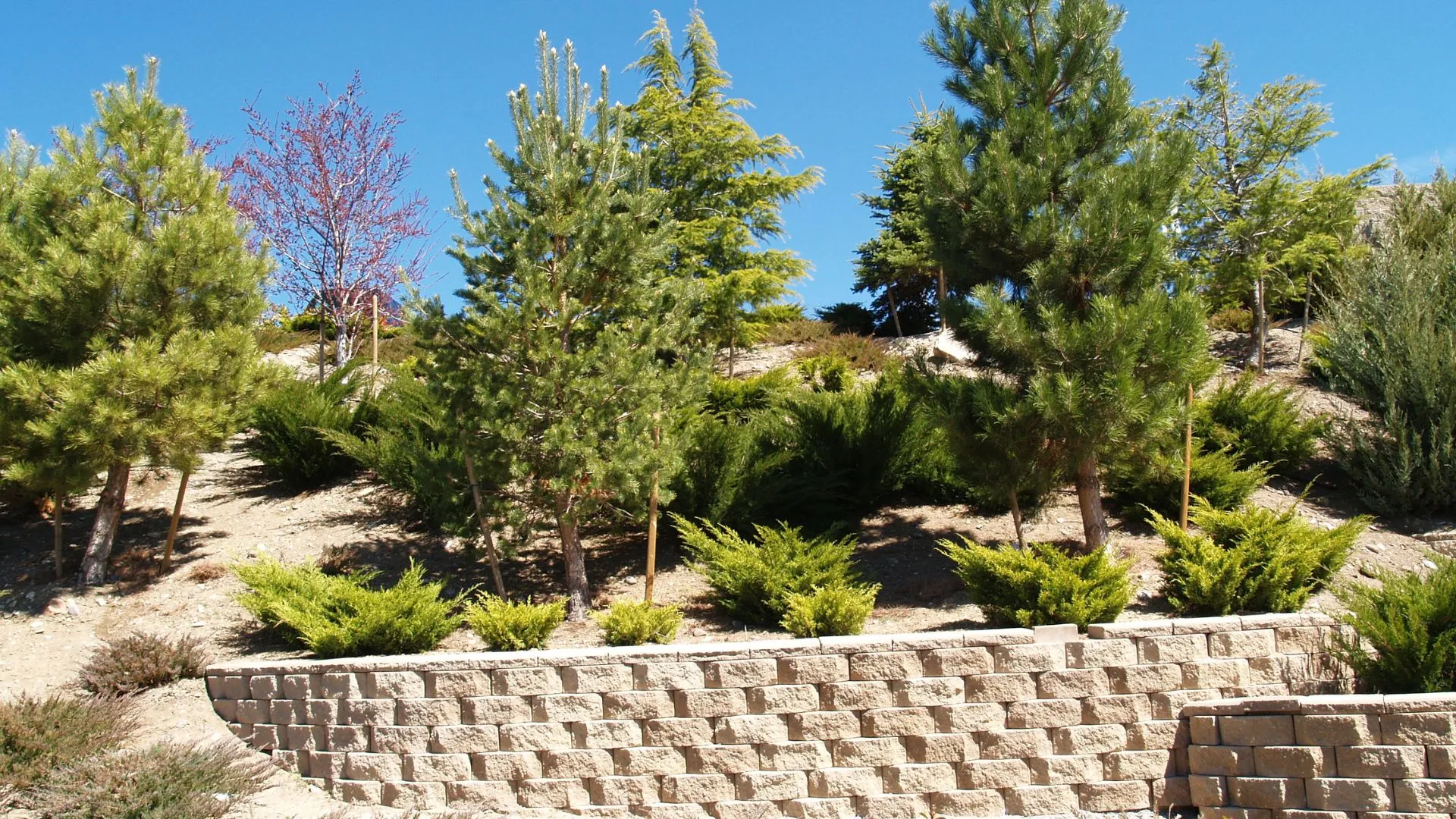
Converting an existing yard starts with checking the soil, sunlight, drainage, and water needs of the space. Removing water-intensive turf and adding native or drought-tolerant plants can create a sustainable, low-maintenance landscape.
HD Landscape and Maintenance helps Lake Oswego homeowners transform existing yards with phased landscaping. Each project is planned around Pacific Northwest conditions, soil, sunlight, drainage, and plant needs.
By Donavan Hesedahl, Owner · Last updated 25 August 2026
What Is Sustainable Landscaping?
Sustainable landscaping is a way to reduce water, chemicals, and labor while keeping a yard healthy. It starts by choosing plants that suit the site. For a Lake Oswego yard, this often means native and drought-tolerant plants, healthy soil, and efficient irrigation.
It isn’t a specific look. Eco-friendly landscaping Lake Oswego homeowners choose can be formal, simple, or natural. The key is how much water, labor, and other resources the landscape needs throughout the year.
For many homeowners, sustainable landscaping is not about starting with a blank lot. Instead, it means improving an existing yard while keeping useful features and removing plants or turf that need too much care.
Why Converting an Existing Lake Oswego Yard Takes a Different Plan
Lake Oswego yards rarely come as blank slates. Many have older lawns, foundation plants, and mature trees that homeowners want to keep. Converting an existing yard requires a different approach than creating sustainable landscaping for a new property.
The process starts with a site walk, not a plant list. We check sun and shade, clay-heavy soil, drainage, and tree root zones. This information helps determine which turf to remove, where to improve the soil, and which areas need drainage work.
Drainage deserves special attention. Installing, repairing, or correcting a residential drainage system in Oregon requires a Landscape Contractors Board license. Standing water and poor drainage are common concerns during yard conversions. If water collects in a low area or near the foundation, the issue should be addressed as part of the grading plan.
Our grading and drainage work can be included with the planting plan. This helps prevent drainage problems from affecting the new landscape.
Most full-yard conversions take two or three phases instead of one weekend. Turf removal, soil preparation, and planting can then happen at a manageable pace. Natives also have time to establish before the next phase begins. For more information, our landscaping and design guide covers the broader planning process.
What Are the Best Native Plants for Oregon Landscaping?
Plant choice depends mainly on the amount of light your yard receives. Native plant landscaping Lake Oswego yards can use several species based on sun, shade, and soil conditions.
Full sun, drought-tolerant — Parking strips and south- or west-facing beds can suit kinnikinnick, yarrow, and Oregon grape. Once established, these plants can handle dry Oregon summers.
Part shade — Lawn edges and beds under high tree canopies can support red-flowering currant, oceanspray, and evergreen huckleberry. Red-flowering currant also blooms early and attracts hummingbirds.
Dry shade under mature conifers — This can be one of the hardest areas to plant. Sword fern, salal, and low Oregon grape can perform well in these conditions.
However, native plants do not mean zero water. During the first two to three summers, these plants need regular supplemental water while their roots become established. Oregon State University’s Extension Service also provides guidance on Pacific Northwest natives for water-wise landscapes if you want to explore suitable species before your consultation. We finalize the actual plant list on-site after checking your sun exposure, soil, and existing plants.
How Much Does Native Plant Landscaping Cost in Lake Oswego, OR?
There is no single price for every project. The total cost depends on how much turf needs removal, how much soil preparation is required, and the size of the plants you choose. In general, drought-tolerant landscaping Lake Oswego OR projects can cost more initially than conventional landscaping of a similar size. Over time, however, they may require less water and maintenance.
Several factors can affect the initial cost. These include soil preparation for Lake Oswego’s clay soil, native plants, and an establishment watering plan for the first two summers.
Over the following years, homeowners may benefit from lower summer water use and less seasonal plant replacement. Drip irrigation can also use less water than traditional overhead spray systems.
Finally, we provide a free on-site consultation and a written, itemized proposal before work begins. Each property is different, so the design and cost are based on the actual conditions of your yard rather than a standard estimate.
The Lake Oswego Neighborhoods We Convert
The right approach shifts by neighborhood. Sloped, heavily wooded lots in Mountain Park, Forest Highlands, and Glenmorrie usually need phased turf removal and root-safe digging around mature trees. Flatter lots in Palisades, Westlake, and First Addition tend to be simpler, single-phase conversions, though clay drainage still needs checking before planting. Lake Grove, Old Town, and Waluga properties fall somewhere in between.
Outside city limits, we handle the same kind of conversion work in West Linn, Tualatin, Wilsonville, and Oregon City, plus the wider Portland metro where we’re based in Aloha.
if you want the deeper background on Lake Oswego’s tree regulations, watershed, and water-bill rebates before you convert, our companion guide on sustainable landscaping in Lake Oswego covers that in detail.
HD Landscape and Maintenance is an Oregon LCB-licensed landscape contracting business, license #9977.
Frequently Asked Questions
What is sustainable landscaping?
Sustainable landscaping matches plants to the site instead of forcing the site to support the wrong plants. In practice that means native and drought-tolerant species, soil built up rather than replaced, irrigation sized to real plant need, and fewer chemical inputs — a lower-water, lower-maintenance yard that still looks intentional.
What Pacific NW native plants do you use?
Selection depends on light and moisture. For sun and drought we lean on kinnikinnick, yarrow, and Oregon grape. For part shade, red-flowering currant and oceanspray. For dry shade under mature trees, sword fern, salal, and low Oregon grape do the work other plants can’t.
Does a native-plant yard need less water and upkeep?
Yes, once established. Native and drought-tolerant plants typically need regular water for their first two to three summers while roots develop, then taper to occasional or no supplemental irrigation. Mowing and fertilizing drop out almost entirely once beds fill in.
Is sustainable landscaping more expensive up front?
Often, yes. Native plant material, soil prep, and an establishment watering plan usually cost more than a conventional planting of the same size. The payback comes later — in lower summer water bills, no annual bedding replacement, and less season-to-season labor.
Can you convert my existing yard to natives?
Yes. Most of our Lake Oswego work is conversion, not blank-slate installs. We remove turf and struggling ornamentals in stages, test and amend the soil, and phase in native and drought-tolerant plantings around whatever mature trees are already on the property.
Can you fix a yard with drainage or standing-water issues?
Yes. We can address standing water and poor grading before planting by improving drainage, regrading the yard, or installing appropriate drainage solutions. This helps prevent water problems from affecting the new landscape and plants.
Ready to Turn Your Lake Oswego Yard Into Sustainable, Native-Plant Landscaping?
If your yard is still running on a thirsty lawn and a watering schedule that never seems to work, HD Landscape and Maintenance handles the whole conversion — site assessment, turf removal, drainage correction, and native and drought-tolerant planting — as one licensed, insured team.
Call (971) 336-5520 to schedule a walkthrough. You can also see the full scope of what’s included on our sustainable landscaping service page, or browse finished conversions in our portfolio.


 4.9Top Rated Service 2026verified by TrustindexTrustindex verifies that the company has a review score above 4.5, based on reviews collected on Google over the past 12 months, qualifying it to receive the Top Rated Certificate.