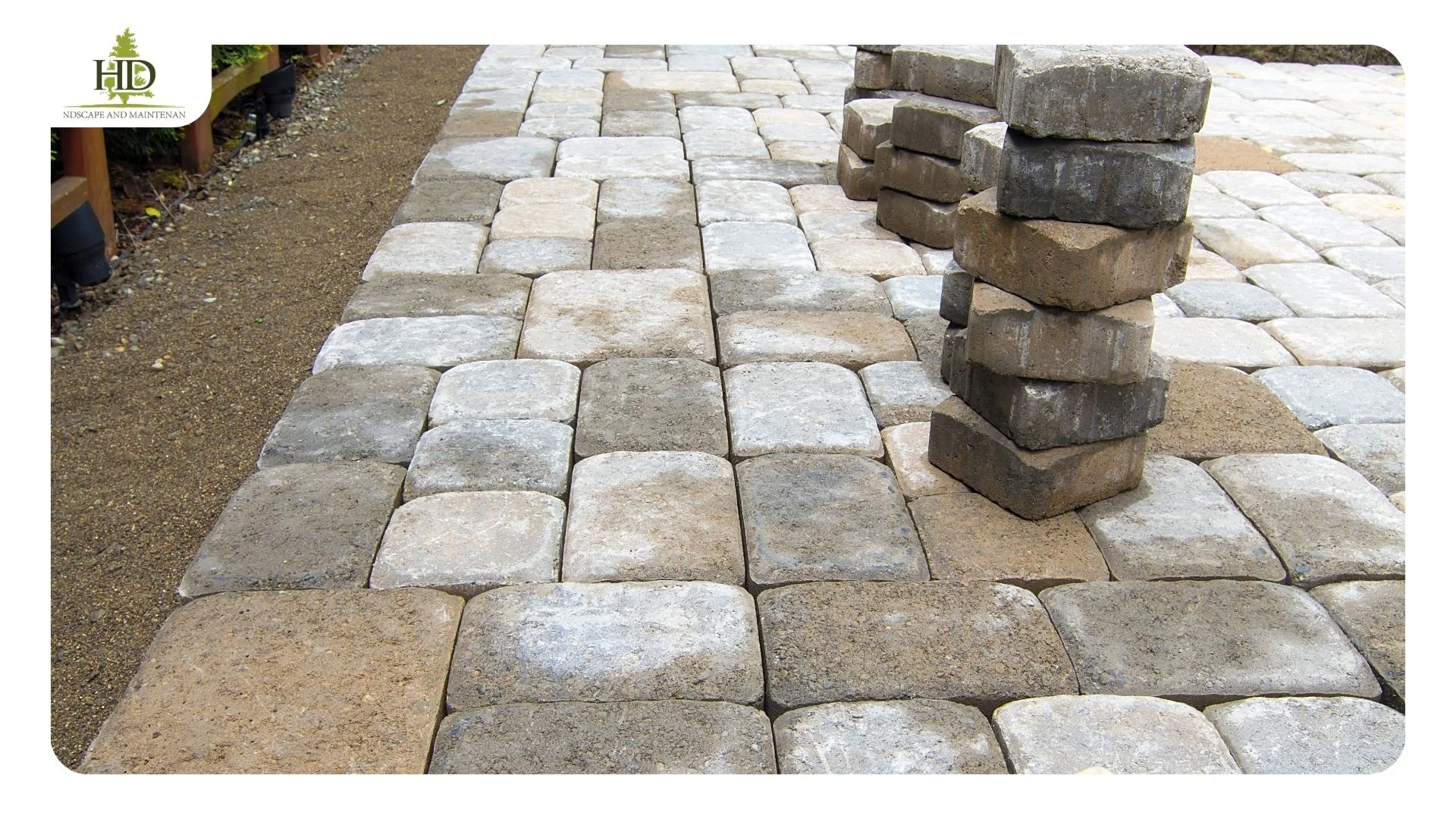
The surface is the symptom, not the problem
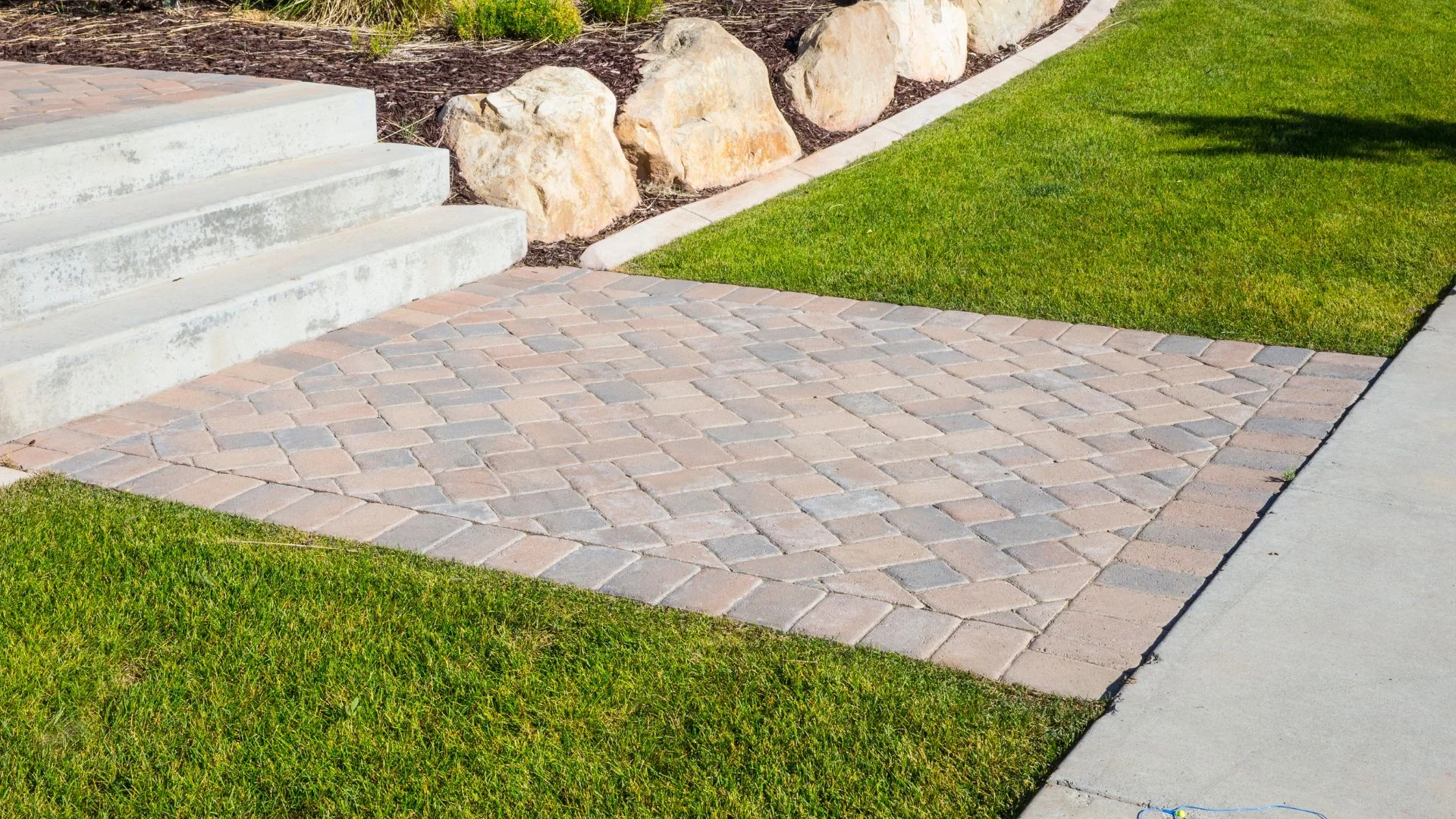
A dipped patio corner, a walkway with a lip you catch your toe on, a driveway that ponds after rain — these all look like paver problems. They are almost always base problems, and the distinction decides whether a repair lasts two years or twenty.
This is why we will not quote paver repair from a photo. Two patios that look identical from above can need completely different work underneath. Lifting a small test area and looking at what is actually there takes twenty minutes and is the only honest way to price the job.
Here is what we usually find.
The five reasons pavers settle in Portland
Edge restraint failure. This is the most common cause we see and the one homeowners almost never suspect. Pavers rely on a restrained perimeter to stay locked together. Once the edge gives way, the outer courses migrate outward, joints open, and the field loses its interlock progressively from the outside in. The middle of the patio sinks, but the failure started at the border.
Water moving where it wasn’t supposed to. A downspout discharging onto or beside the hardscape, a failed drain line, or grading that sends roof water under the slab instead of away from it will wash out bedding sand and undermine the base. Given how much rain this region takes between October and May, a small routing error produces visible movement within a season or two. Where the real fault is drainage rather than paving, we solve that first — otherwise the repair fails the same way the original did.
Inadequate base or compaction at installation. Insufficient depth, the wrong aggregate, or material placed in one thick lift instead of compacted layers. This shows up as broad, even dishing across a whole area rather than a localised dip, and it usually appears in the first two or three winters.
Settlement over disturbed ground. Patios built over a utility trench, an old planting bed, a filled pond, or a demolished structure settle wherever the buried material consolidates. The giveaway is a dip in a shape that has nothing to do with how the patio is used — a straight line across the middle, or a perfect rectangle.
Tree roots. Roots lift rather than sink, producing a hump and a lifted edge instead of a dip. They are the most common cause near the front of a property, and in Portland they are also the most legally complicated to deal with.
The root problem, and the permit almost nobody pulls
If roots have lifted your hardscape, the instinct is to cut them. Where those roots belong to a street tree, that is not a decision you or your contractor get to make.
Portland Parks & Recreation Urban Forestry requires a Tree Root Pruning Permit to prune roots greater than or equal to one quarter inch at the attachment on any tree in the city right-of-way — typically the strip between curb and sidewalk. A quarter inch is a very low bar. Most roots capable of lifting a paver are far larger.
The sequencing is what catches people out. Urban Forestry requires that the sidewalk be lifted and the roots exposed before you request the root pruning permit — and lifting that sidewalk needs its own permit from the Bureau of Transportation first. So the correct order is a sidewalk permit, then excavation, then an inspection, then the root pruning permit, then the repair. Crews that treat root cutting as part of the digging have skipped two approvals without realising it.
The exposure is real. City permit documentation states that failing to obtain a permit or violating its terms may result in civil penalties of up to $1,000 per tree per day under Title 11, with additional fines possible.
Two useful distinctions. Private trees are different: no permit is required to root-prune a tree on private property, so a back-garden patio lifted by your own maple is a straightforward repair. Heritage Trees are the opposite — any work on one requires a permit, wherever it stands.
And cutting roots is frequently the wrong answer anyway. Remove enough structural root and you trade a lifted paver for an unstable tree, which is a far more expensive problem. Often the better repair reroutes the hardscape around the root zone, bridges it, or rebuilds at a new elevation.
Relevel and reset, or replace?
Most of the repairs we do reuse the existing pavers. Concrete pavers are individually removable by design, which is exactly why they were worth choosing in the first place.
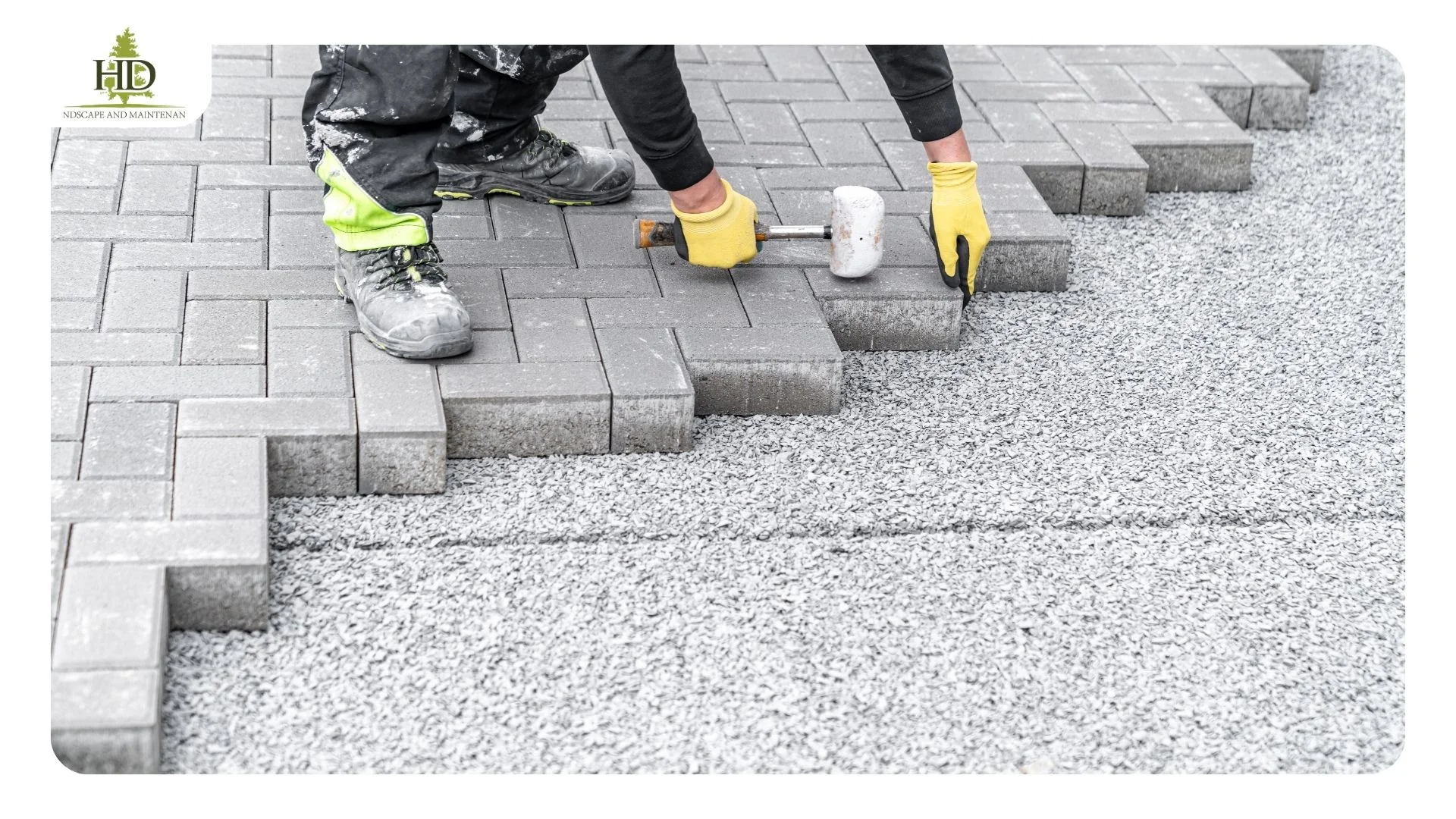
Reset usually works when the pavers themselves are sound, the affected area is localised, the base underneath is repairable, and you can still source or salvage enough matching units to close the field. We lift the affected section, correct the base, restore proper compaction and slope, reset the pavers, re-establish the edge restraint, and re-sand the joints.
Replacement makes more sense when the pavers are spalling or cracked through, the base has failed across the whole area rather than in patches, the original slope routes water toward the house and needs redesigning, or the paver is discontinued and the patch would read as an obvious repair.
Colour matching is the honest constraint worth raising early. Pavers fade over years of Pacific Northwest weather, so reset units carry their existing patina while any new ones will not match at first. Pulling replacements from a low-visibility area and using new stock there is usually the better-looking answer.
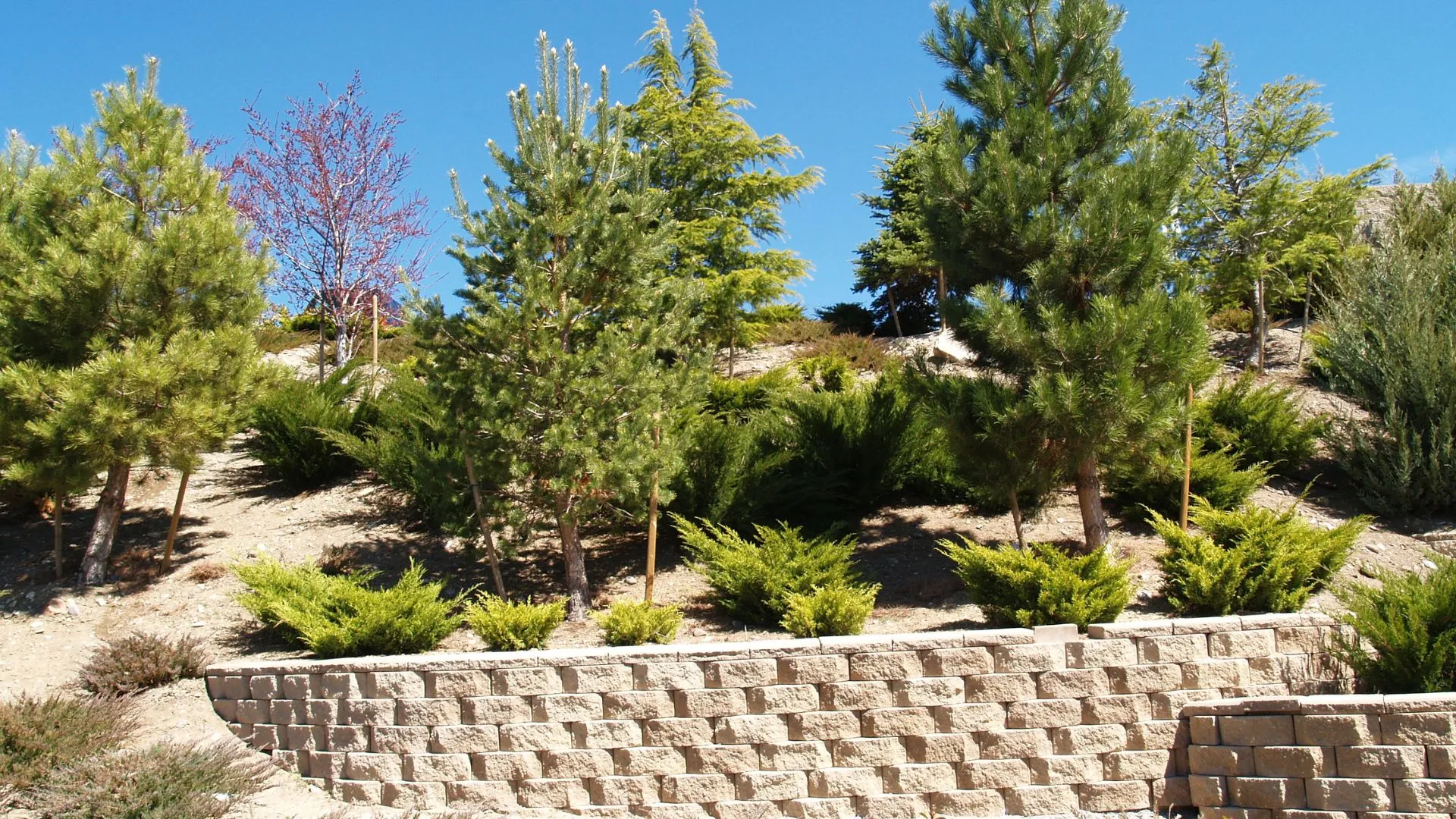
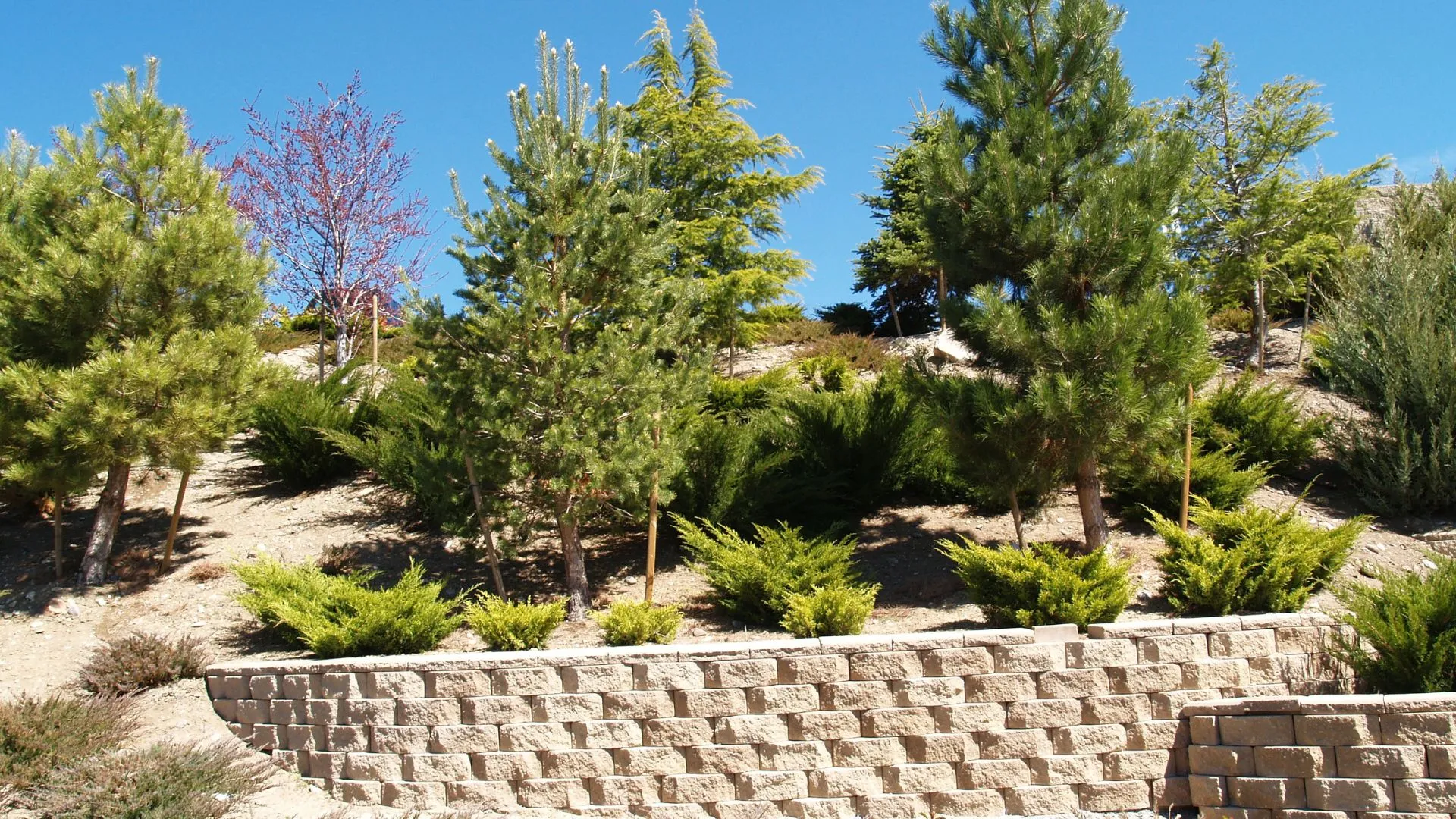
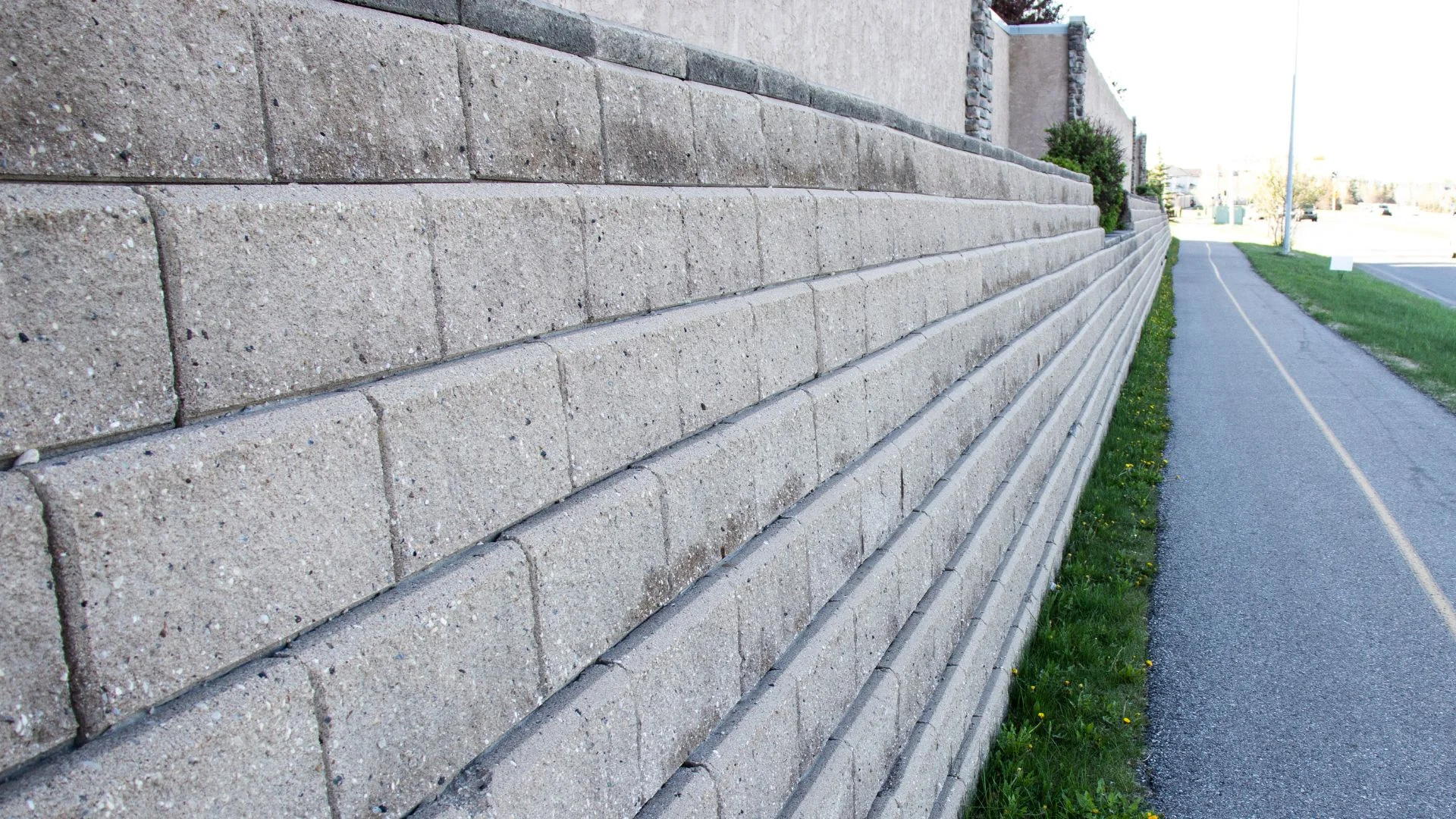
Leaning and bulging retaining walls
A wall that is tipping, bowing, or stepping out of line is telling you about water pressure or foundation movement, not about the blocks.
We assess these individually, and the honest answer is that repair options vary enormously. Minor tipping in a low garden wall can often be rebuilt in place with the drainage corrected. A tall wall that is bulging, a wall with a structure or driveway above it, or one showing movement in the ground behind it, is a different conversation — that may require stamped engineering, and any wall over four feet or carrying a surcharge falls under permitting requirements regardless.
What rarely works is cosmetic correction. Resetting the face of a wall that is failing because water has nowhere to go buys a season. Our retaining wall page covers construction standards in more depth, and the hillside wall guide covers sloped sites specifically.
What hardscape repair costs here
Repair pricing varies more than installation pricing, because the scope is not fully known until something is lifted. The drivers:
- Cause, since a drainage fix and a root problem are entirely different jobs
- Area affected, and whether the damage is localised or spread across the field
- Base condition, which determines whether existing material can be corrected or has to come out
- Whether the work touches the right-of-way, which brings city permitting into the schedule
- Paver availability, if any units need replacing
- Access, since repair usually means moving material through a finished garden
- Any underlying drainage work needed to stop the problem recurring
We come out, open a small area, and quote in writing from what is actually under there. Both the visit and the estimate are free.
When to do it
Late spring through early autumn is the better window. Base repair depends on achieving proper compaction, and saturated material does not compact reliably — which is the same reason so much hardscape installed hastily in a wet Portland autumn starts moving by the following summer.
That said, a trip hazard is a trip hazard. If a lifted edge sits where people walk, particularly on frontage where property owners carry liability for defective sidewalks and driveways, that gets dealt with when it appears rather than when the weather suits.
Where we work
We repair hardscape across Portland and the surrounding metro, Monday to Saturday, from our base in Aloha — including Southeast and Northeast Portland, Multnomah Village, and out to Milwaukie, Gresham, Beaverton, and Lake Oswego. See our Portland page, our hardscaping services, or the portfolio.
Frequently Asked Questions
How much does hardscape repair cost in Portland?
Repair is priced per project after we lift a small area and see the base condition, because the cause determines the work. The drivers are what caused the failure, how much area is affected, whether the existing base can be corrected or has to be removed, whether any part of the job enters the public right-of-way, paver availability if units need replacing, access for moving material, and any drainage work needed to stop the problem returning. The site visit and written estimate are free.
Why have my pavers sunk, shifted, or become uneven?
Almost always because something beneath them moved. The five usual causes are edge restraint failure, water washing out the base from a misrouted downspout or failed drain, inadequate base depth or compaction at installation, settlement over a utility trench or other disturbed ground, and tree roots. Roots lift rather than sink, so a hump points to roots while a dip points to the base or to water.
Do you relevel and reset existing pavers rather than replace them?
Yes, wherever the pavers are sound and the base can be corrected. We lift the affected section, repair and recompact the base, restore the slope, reset the original pavers, re-establish the edge restraint, and re-sand the joints. Full replacement only makes sense when the pavers themselves have failed, the base has gone across the whole area, or the original grade sends water the wrong way and needs redesigning.
Can you repair a leaning or bulging retaining wall?
We assess each wall before answering, because movement means water pressure or foundation trouble rather than a surface problem. Low garden walls can often be rebuilt in place once drainage is corrected. Tall walls, walls carrying a driveway or structure above, and walls showing ground movement behind them may need stamped structural engineering, and any wall over four feet or carrying a surcharge is subject to permitting. Cosmetic resetting of a wall that is failing for drainage reasons does not last.
Do you offer free on-site repair estimates?
Yes. We visit the property, open a small test area to see what is happening under the surface, and follow up with a written estimate. Both are free and carry no obligation. Diagnosing from a photograph is not something we do, because two patios that look the same from above often need very different work underneath.
Visit or Call Us
HD Landscape and Maintenance LLC
Adress: 6581 SW 192nd Ave Aloha, OR 97007
Phone: (971) 336-5520
Email: hdlandscapellc@gmail.com
Hours: Monday–Saturday, 7:00 am – 7:00 pm · Sunday closed
Oregon LCB Lic. #9977 · Licensed, bonded & insured
Serving Portland and the surrounding metro, including Beaverton, Tigard, Lake Oswego, West Linn, Milwaukie, Gresham, Hillsboro, and Tualatin.


 4.9Top Rated Service 2026verified by TrustindexTrustindex verifies that the company has a review score above 4.5, based on reviews collected on Google over the past 12 months, qualifying it to receive the Top Rated Certificate.