Lake Oswego gets about 37 inches of rain a year. Add Willamette Valley clay soils and irregular lot grades, and hardscape conditions here turn demanding fast. Specifically, grades run steep in Mountain Park and Iron Mountain, flat in Lake Grove, and lakeside in Glenmorrie. Consequently, a poorly engineered paver base washes out in the first Pacific Northwest winter. A properly built one, by contrast, drains correctly and stays level for 30 years. HD Landscape and Maintenance LLC provides hardscaping Lake Oswego OR homeowners rely on. That covers patios, walkways, steps, and retaining walls, and we design each one for the conditions of a specific neighborhood.
By Donavan Hesedahl, Owner · Last updated 19th August 2026
What Is Hardscaping?
What is hardscaping? Basically, the term covers the non-plant structural elements of an outdoor space. Think paved patios, walkways, driveways, steps, retaining walls, and structures like pergolas. Softscaping, meaning lawn, planting beds, and trees, stays living and seasonal. Hardscape, by contrast, carries load and lasts 20 to 50 years. Notably, many Lake Oswego lots have real grade change. Therefore hardscape here often does structural work. It retains slopes, redirects stormwater, and creates level usable surfaces where the terrain offers none.
If you’re weighing hardscape alongside planting design, our landscape design services page explains how the two fit into one plan.
Patios, Walkways, and Steps We Build in Lake Oswego
HD Landscape has worked as a hardscape contractor Lake Oswego OR homeowners return to across dozens of residential projects. Here’s what we install.
Paver Patios
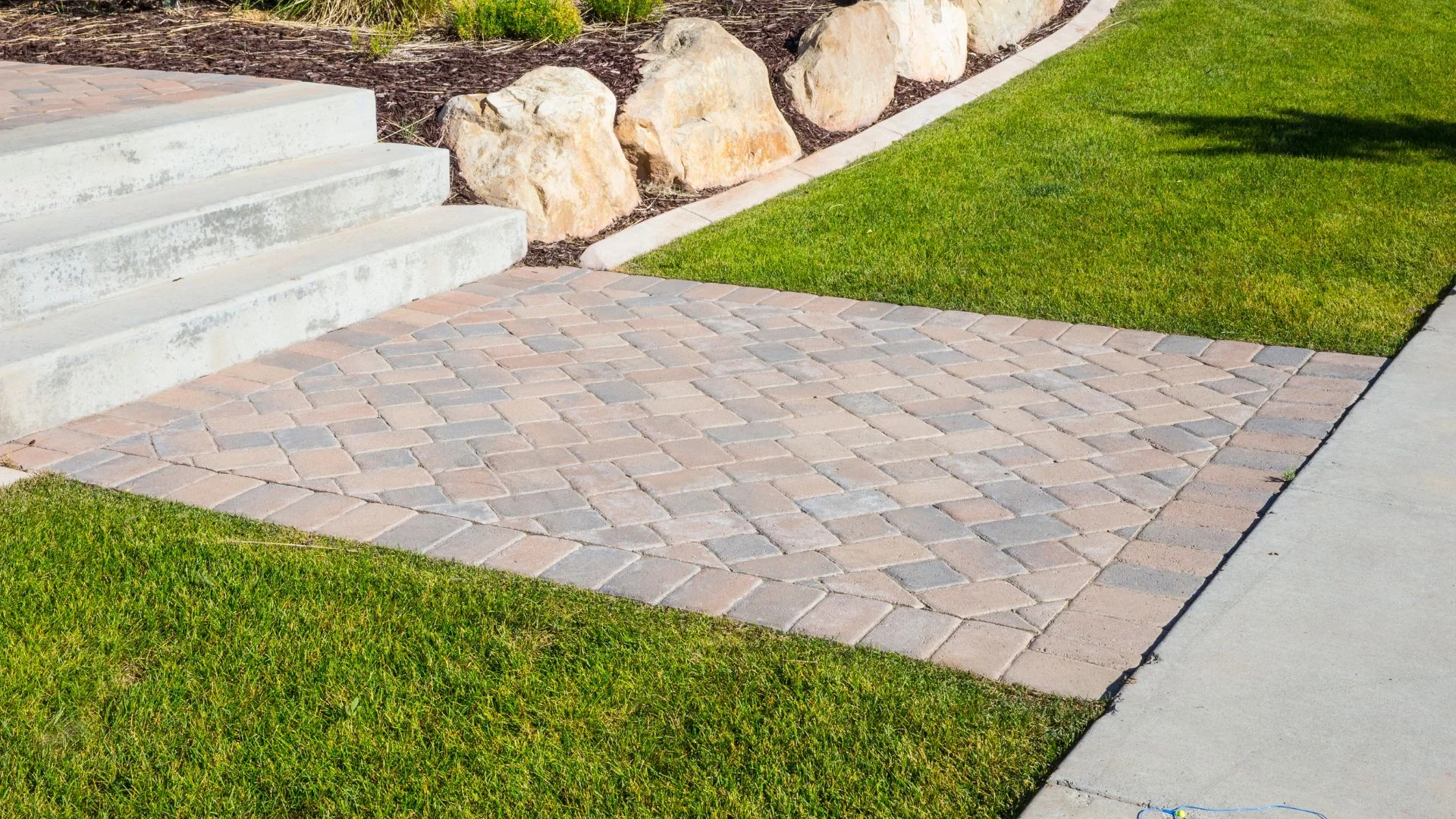
We set concrete and natural stone pavers on a crushed-rock base, with geotextile separation fabric and polymeric sand jointing. Typically, most paver patio installation Lake Oswego projects start at 200 to 250 square feet. Every one includes a designed drainage slope, so water never ponds near a foundation.
Walkways and Steps
Any walkway and patio Lake Oswego yard needs paths that handle grade change safely. On Mountain Park and Iron Mountain properties, that usually means integrated step systems. We use flagstone on a concrete footing, or interlocking block, and tie it into the same base as the adjacent patio. As a result, the whole assembly drains as one unit.
Retaining Walls
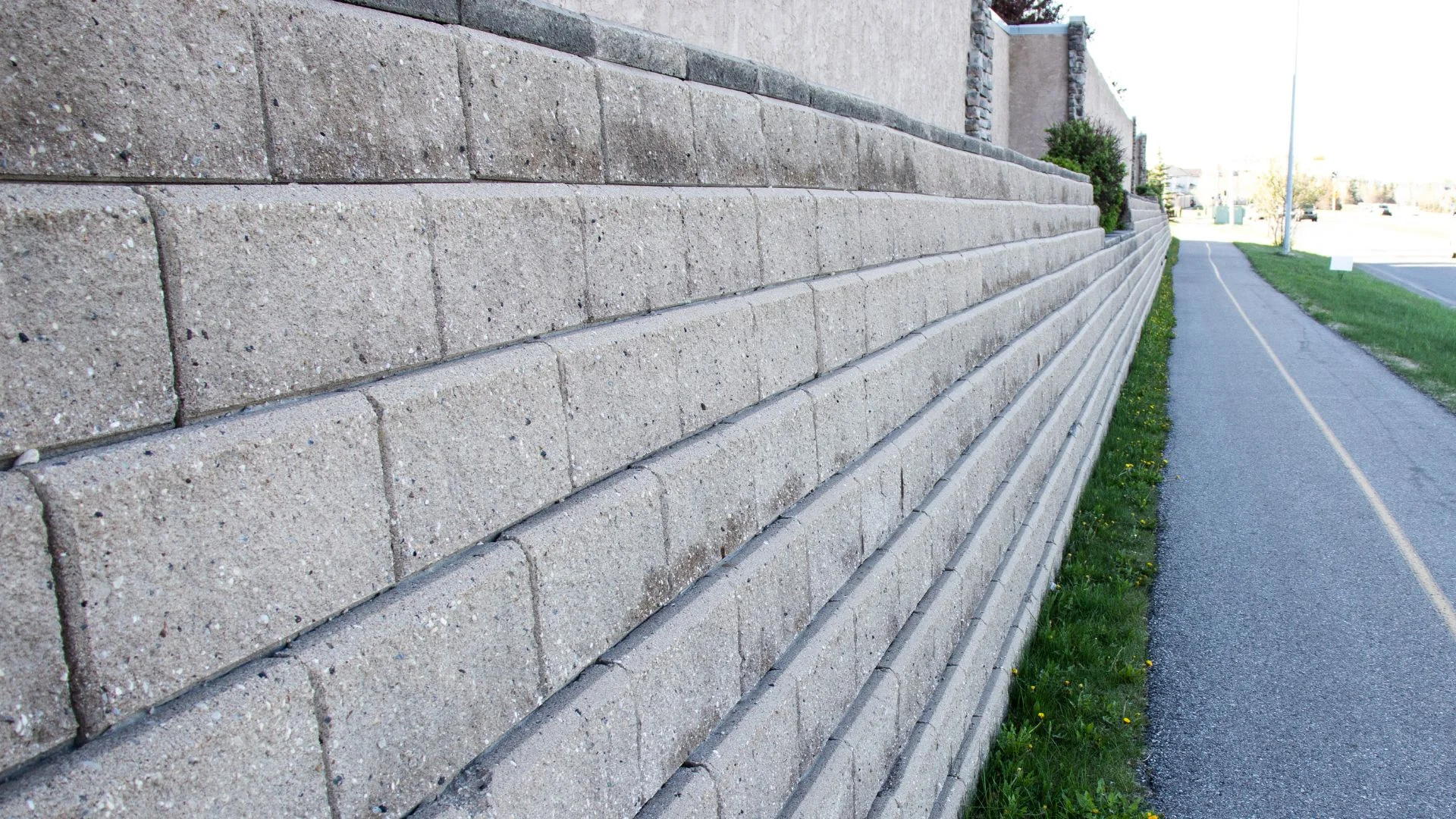
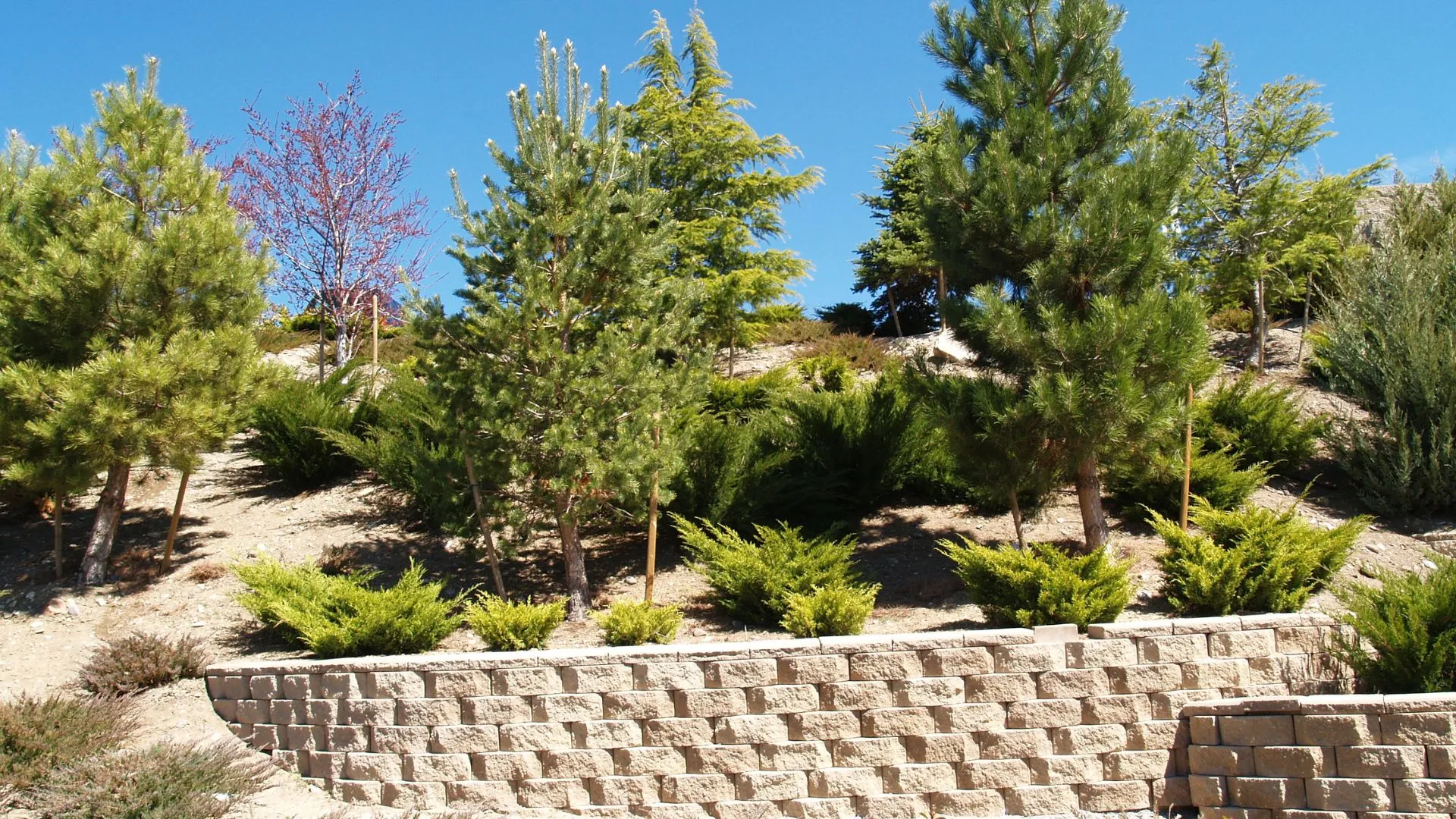
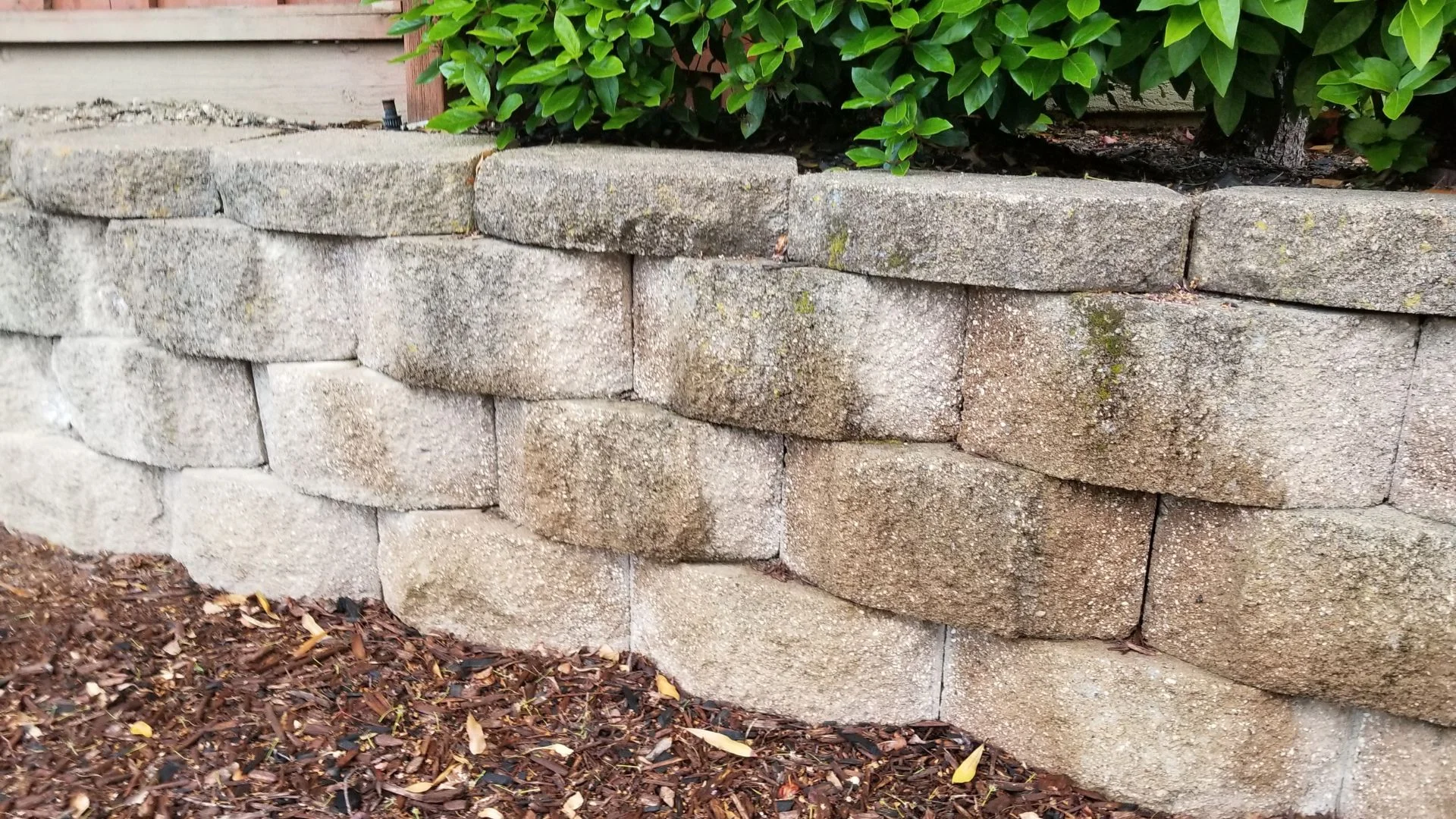
Segmental block, natural basalt, or poured concrete all work. In practice, these stabilize a sloped lot before we can level a patio surface. Walls in Lake Oswego almost always include a drainage core, meaning crushed rock backfill plus perforated drain pipe. Otherwise hydrostatic pressure builds behind the wall face during long rain events.
Outdoor Structures
Typically, pergolas and shade structures go over new or existing patio surfaces. When structural post footings hit the paver base, we design and permit them as part of the hardscape project.
Our full scope lives on the hardscaping services page. Meanwhile, completed Lake Oswego work sits in the project portfolio.
Why Lake Oswego Hardscape Starts with Drainage
For hardscaping that drains well in wet Lake Oswego OR winters, the base decides the outcome, not the surface paver. Poor base prep heaves during freeze-thaw cycles. Water then pools beneath the surface, and joints fail within three to five years regardless of paver quality. In our experience on Lake Oswego properties, two site conditions drive how we spec the base.
Heavy Clay Content
Unfortunately, Willamette Valley clay barely lets water through. Instead, water that can’t move down has to move across. Consequently every patio and walkway needs a slope of at least 1.5 to 2%, aimed at a defined outfall. That might mean a French drain, a planted swale, or a permeable edge detail. On flat Lake Grove lots, this becomes a grade engineering calculation. On steep Mountain Park lots, though, the question shifts. You’re controlling where the water goes, not just whether it moves.
Seasonal Saturation
From October through April, Lake Oswego soils sit at or near saturation. A 4-inch crushed rock base works fine in drier inland climates. Here, however, it compresses and shifts under freeze-thaw pressure in wet clay. So we spec a minimum 6-inch open-graded crushed rock base with geotextile fabric separation, which keeps clay from migrating into the aggregate. That’s why a properly built Lake Oswego patio looks the same in year ten as in year one. A lightly built one, meanwhile, shows failure within two or three wet seasons.
Some clients prefer permeable hardscape, letting stormwater soak in rather than sheet off. In that case, we can fold permeable paver systems into a broader sustainable landscaping plan. The EPA outlines how permeable pavement reduces stormwater runoff, which matters on lots that drain toward Oswego Lake.
How Much Does Hardscaping Cost in Lake Oswego OR?
How much does hardscaping cost in Lake Oswego OR depends on terrain, surface area, and material choice. Typical ranges for residential projects in Lake Oswego:
Project Type | Typical Range |
Paver patio (200–400 sq ft) | $8,000–$18,000 |
Paver walkway (40–80 lin ft) | $4,000–$9,000 |
Integrated steps (4–8 risers) | $2,500–$7,000 |
Retaining wall (20–40 lin ft) | $6,000–$20,000+ |
Patio + walkway + steps combined | $15,000–$35,000 |
The cost to install a hardscape patio near Lake Oswego Oregon usually lands toward the high end of regional averages, for two reasons. First, sloped lots take more base engineering than flat suburban properties, which adds labor hours. Second, established home values in the area support premium materials. Natural basalt and large-format bluestone cost more per unit. Even so, they often suit older, architecturally distinctive Lake Oswego homes.
Clients also ask about the best paver patio for a rainy Pacific NW yard in Lake Oswego. We almost always point to concrete pavers with a water absorption rating at or below 5%. Notably, they handle freeze-thaw cycling better than most natural stone. Better still, you can pull and swap a single unit without touching the surrounding surface. Over a 30-year ownership horizon, that matters.
For wider regional pricing context, our Portland metro hardscaping overview covers how Lake Oswego compares to nearby communities.
How Long Does a Paver Patio Last in Oregon?
How long does a paver patio last in Oregon comes down to base quality and joint maintenance. Given the right base depth, drainage slope, geotextile fabric, and polymeric sand, a Pacific Northwest paver patio lasts 25 to 40 years with little upkeep. Individual pavers that shift or crack come out easily, and you won’t have to tear up anything around them. Ultimately, that’s one of the clearest advantages over poured concrete in Oregon’s climate.
When we evaluate existing hardscape on Lake Oswego properties, four failure modes come up most often.
- Undersized base depth. A 4-inch base compacts and shifts in saturated clay, so 6 inches is the practical minimum.
- Missing geotextile fabric. Eventually, clay creeps up into the aggregate within five to seven years and destabilizes the base.
- Flat installation. Without a drainage slope, water pools under the surface and speeds up frost heave.
- Standard sand joints. These wash out within one or two wet seasons, whereas polymeric sand holds.
Annual maintenance stays minimal. Generally, plan on fresh polymeric sand every five to seven years, plus occasional cleaning to keep surface growth down. Our post on what makes hardscaping in Portland different digs further into PNW maintenance, moss included.
Lake Oswego Neighborhoods We Build In
Our hardscaping work covers all of Lake Oswego’s residential neighborhoods. The areas where we work most frequently:
Mountain Park — large wooded lots with substantial grade change. Almost every patio project here includes retaining wall work and integrated step systems before a level surface can be set. Base engineering accounts for significant uphill drainage volume during winter rain events.
Lake Grove — flat to gently sloped terrain with established Oregon white oak canopy. Patio drainage slope requires careful engineering on flat grades, and excavation near existing trees is done in compliance with Lake Oswego’s tree protection standards under LOC Chapter 55.
Iron Mountain — steep, south-facing properties with erosion history. We have installed tiered patio-and-step systems on Iron Mountain lots that replace failed lawn on steep slopes with stable, engineered hardscape backed by planted groundcover at the perimeter edges.
Palisades — established conifer canopy with dense surface root networks. We use shallow excavation and hand-compaction around tree drip lines as standard practice on these lots, rather than machinery that would damage root systems.
Glenmorrie — lakeside proximity means some properties are subject to shoreline setback requirements. Hardscape placement coordinates with city setback dimensions and drainage is designed to protect Oswego Lake water quality.
We also serve West Linn and Tualatin. See our Lake Oswego location page for the full service-area map, or read our landscaping services overview for Lake Oswego for how hardscape fits into a broader outdoor project. Contact us to schedule a site visit and written estimate.
Frequently Asked Questions
What does hardscaping cost in Lake Oswego?
A paver patio in Lake Oswego typically runs $8,000–$18,000 for 200–400 square feet, with sloped lots and premium materials at the higher end. Combined patio, walkway, and step projects generally land between $15,000 and $35,000. Retaining walls are priced separately and depend heavily on wall height and drainage complexity. We provide a written estimate after a site visit — no obligation.
What counts as hardscaping?
Hardscaping includes any non-plant structural element of the outdoor space: patios, walkways, driveways, steps, retaining walls, pergolas, outdoor kitchens, and fencing. It’s the structural layer that makes a yard functional — defining spaces, managing grade change, and directing stormwater away from foundations.
How do pavers handle the wet Oregon climate?
Concrete pavers with a water absorption rating at or below 5% perform well in Oregon’s climate when set on a properly engineered base. The critical factors are base depth (minimum 6 inches in Lake Oswego clay soils), a designed drainage slope, geotextile fabric between base and subgrade, and polymeric sand joints that resist washout. A correctly built paver patio in Oregon lasts 25–40 years.
Do you build patios, walkways, and steps?
Yes — and usually as an integrated project. On Lake Oswego lots with significant grade change, patios and step systems are almost always designed together so the hardscape handles elevation transitions as one cohesive structure. We also build retaining walls when a slope requires stabilization before a level patio surface can be set.
How do you address drainage in the design?
Drainage is designed before any paver is ordered. That means establishing the patio’s drainage slope toward a defined outfall, integrating French drains where needed, specifying open-graded crushed rock base aggregate, and — on lots where soil permeability is a concern — incorporating permeable pavers or edge infiltration details. On Lake Oswego’s clay soils, all of these decisions are made before the first paver is set, not after the patio starts pooling water.
Visit or Call Us
HD Landscape and Maintenance LLC 7940 SW 191st Ave Aloha, OR 97007 Phone: (971) 336-5520 Hours: Mon–Fri 8 AM–5 PM; Sat–Sun by appointment
Serving Lake Oswego, Mountain Park, Lake Grove, Iron Mountain, Palisades, Glenmorrie, West Linn, and Tualatin with paver patios, walkways, steps, and retaining walls. View our portfolio or contact us to schedule a site visit.


 4.9Top Rated Service 2026verified by TrustindexTrustindex verifies that the company has a review score above 4.5, based on reviews collected on Google over the past 12 months, qualifying it to receive the Top Rated Certificate.