Landscaping & design in Portland, OR typically runs $2,500 to $6,000 for a planting refresh, $6,000 to $15,000 for a front yard redesign, and $25,000 and up for a full property build with grading and hardscape. Design alone is $85 to $100 an hour. HD Landscape & Maintenance quotes every Portland yard on site.
By Donavan Hesedahl, Founder & Owner · Last updated 4th August 2026
How much does landscaping cost in Portland, OR?
Oregon runs roughly 25% above the national average for landscape work, and Portland sits above the Oregon average. Labor here lands between $55 and $85 an hour, and design work is billed either hourly or as 15% to 35% of the installed cost of the build.
Here’s how 2026 projects tend to shake out across the city:
Scope | Typical range |
Bed refresh — plants, edging, mulch | $2,500 – $6,000 |
Front yard redesign with irrigation | $6,000 – $15,000 |
New sod lawn | $3 – $6 per sq. ft. |
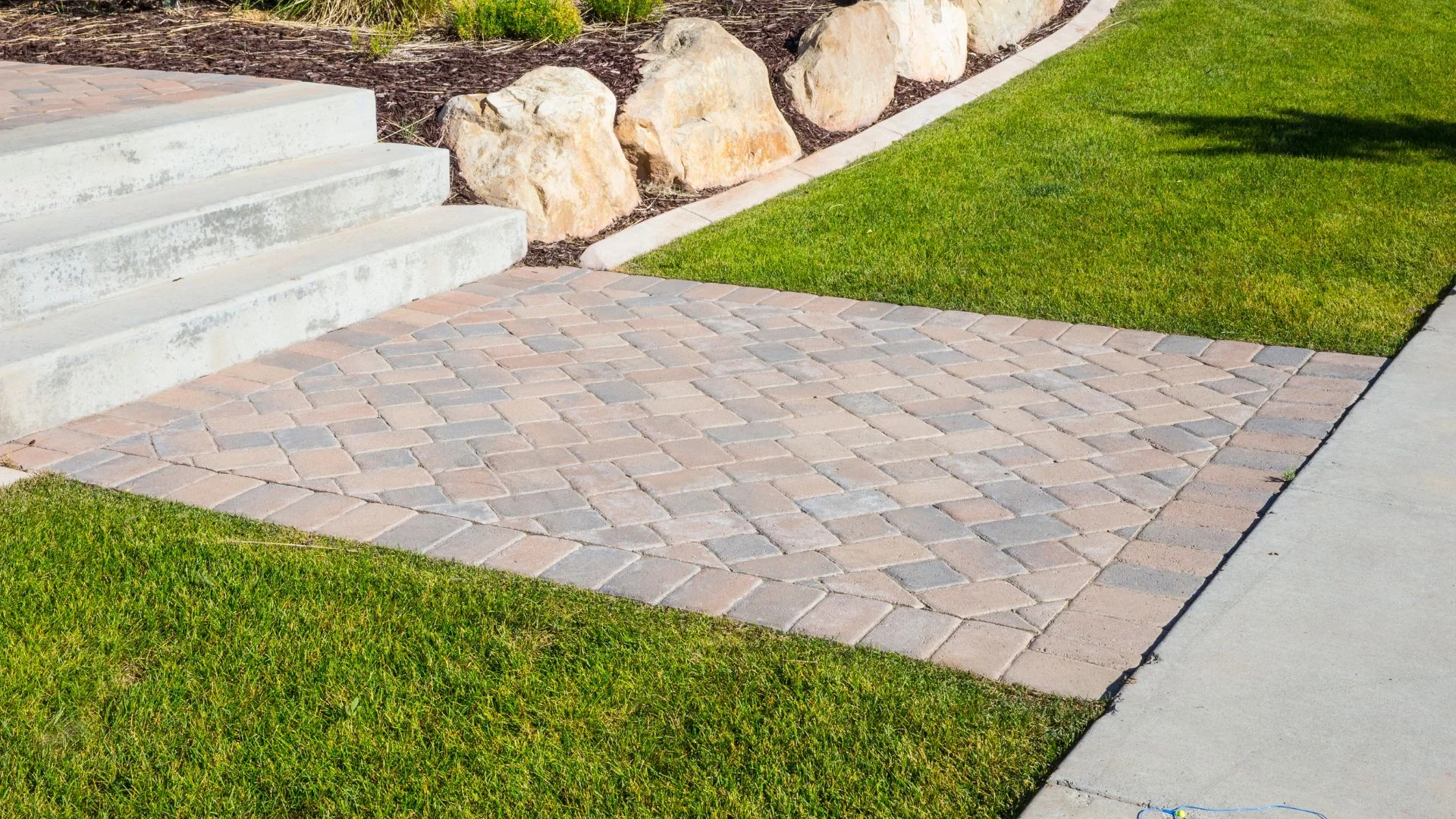
Paver paths and walkways | $10 – $25 per sq. ft. |
Full property redesign with grading, drainage, hardscape | $25,000+ |
Two Portland-specific things move a quote more than homeowners expect. Access is one: on a close-in lot where the only route to the back yard is a 36-inch side gate, soil and rock get moved by wheelbarrow, and that’s labor. Soil is the other: Willamette Valley clay compacts hard, and a bed that drains properly usually needs amendment and grading work before a single plant goes in.
We put all of it in an itemized written proposal before anything starts. If you’re collecting quotes from more than one landscaping company in Portland, ask each one whether soil prep and drainage are line items or assumptions — that’s where surprise change orders come from.
How do I design a landscape for the Pacific Northwest?
Design for the water first, the light second, and the plants third. Portland gets a wet November through May and a genuinely dry July through September, so a yard here has to shed water for half the year and survive drought for the other half. That single fact drives most good design decisions in this climate.
What that looks like in practice:
- Grade before you plant. Water should move away from foundations and toward a planted area that can absorb it. Retrofitting drainage after the beds are in costs far more than doing it first.
- Design for shade honestly. North sides and lots under mature canopy get real shade, not “partial sun.” Planting sun-lovers there is the single most common reason Portland plants die.
- Build soil, don’t fight it. Clay holds water in winter and cracks in summer. Amended, mounded beds solve both.
- Plan for wet-season access. Paths, patios, and stepping routes matter more here than in dry climates, because the ground is soft five months a year.
- Layer for year-round interest. With grey skies most of the winter, evergreen structure and winter bark carry the yard when nothing is blooming.
A good landscape designer in Portland, OR should walk your yard in the rain, or at least ask where the water pools. If nobody asks that question, the plan isn’t built for this climate.
What plants are native to Portland?
The city maintains an official Portland Plant List with three parts: a Native Plants List, a Nuisance Plants List, and a Required Eradication List. This isn’t just a suggestion — only species from the Native Plants List may be planted in Environmental Overlay Zones and the Pleasant Valley Natural Resource Overlay, and nuisance species are banned from those overlays and from any city-required landscaped area or mitigation site.
Natives we specify constantly on Portland projects:
- Tall Oregon grape (Mahonia aquifolium) — the state flower, evergreen, drought tolerant once established, good screening.
- Western sword fern — the workhorse for deep shade on north sides and under firs.
- Red flowering currant — early spring bloom, and the plant hummingbirds show up for.
- Salal and snowberry — tough evergreen and deciduous groundcover-to-shrub layers.
- Vine maple — the small understory tree that gives a compact lot fall color without outgrowing it.
- Oceanspray and Roemer’s fescue — sunny, dry, low-water plantings on strips and slopes.
Natives aren’t a purity test. We mix them with well-adapted non-natives all the time. But on an overlay-zone lot, getting the list right is a compliance issue, not a style preference — worth confirming before you buy plants.
How do I design a rain-friendly Portland garden?
Route your downspouts into a planted area sized to take the water, and you may qualify for Portland’s Clean River Rewards discount on the stormwater portion of your city utility bill. Rain gardens, swales, landscaped areas, drywells, soakage trenches, stormwater planters, and ecoroofs all count.
The sizing rule is the part most people miss: the receiving planted area has to be at least 10% of the roof and paved area draining into it. A 1,200-square-foot roof section needs at least 120 square feet of rain garden. Undersize it and it ponds, fails, and doesn’t qualify.
We build these into the design rather than bolting them on — a rain garden in the right spot reads as a planted bed, not a drainage feature. Our sustainable landscaping work covers the plant selection for those zones, and grading and drainage handles getting the water there in the first place.
What is the best time to landscape in Oregon?
Fall is the best planting window in the Willamette Valley — roughly October into November. Plants go in while the soil is still warm, and the winter rains establish roots for free before the summer drought arrives. Spring, March through May, is the second-best window. Planting in mid-July means hand-watering all summer to keep things alive.
Hardscape and grading run on the opposite calendar. June through September is the dry-season window for patios, walls, and any serious earthwork, because clay soil can’t be compacted properly when it’s saturated. That’s why so many Portland projects get designed over the winter and built the following summer.
The practical takeaway: if you want a finished yard by next summer, start the design conversation in January or February. Contractor availability is best in late winter, and it puts you at the front of the build queue instead of the back.
Where we design and build across Portland
We’re a landscape design company in Portland, Oregon working Monday through Saturday, licensed through the Oregon Landscape Contractors Board (#9977) and insured. Homeowners searching for professional landscapers near me in Portland usually want the same three things: someone who shows up, quotes honestly, and knows the local conditions. That’s the job.
We design across the city — the mature-canopy lots in Irvington and Beaumont-Wilshire, the sloped yards around Hillsdale and Multnomah Village, the tighter blocks in Montavilla and Woodstock, and the bigger parcels out toward Eastmoreland. Each has its own soil, light, and drainage story. You can see finished work in our portfolio.
We also design and install in Lake Oswego, West Linn, Clackamas, Tualatin, and Beaverton. For lawn care, seasonal cleanups, and hardscape on the same property, see our lawn and yard care and hardscaping pages, or our full Portland service overview.
Frequently Asked Questions
How much does landscaping cost in Portland, OR?
Plan on $2,500 to $6,000 for a bed refresh, $6,000 to $15,000 for a front yard redesign with irrigation, and $25,000 or more for a full property build with grading and hardscape. Design alone runs $85 to $100 per hour, or 15% to 35% of installed cost. Access, soil condition, and drainage correction are the biggest variables.
What plants are native to the Pacific Northwest?
Tall Oregon grape, western sword fern, red flowering currant, salal, snowberry, vine maple, oceanspray, camas, and Oregon white oak are all Willamette Valley natives, and all appear on the city’s Native Plants List. In Portland’s environmental overlay zones, only listed natives may be planted.
How do I design a rain-friendly Portland garden?
Disconnect downspouts into a rain garden, swale, or planted basin sized at a minimum of 10% of the roof and paved area draining to it. Done correctly, it qualifies for a Clean River Rewards discount on the stormwater portion of your utility bill and keeps winter runoff out of the sewer system.
What is the best time to landscape in Oregon?
Fall, October into November, is the best planting window — winter rain establishes roots before summer drought. Spring is second. Grading and hardscape are dry-season work, best done June through September when clay soil can actually be compacted.
How long does a landscape design project take?
A single bed or garden area can be designed and installed inside a week. A front yard redesign usually runs two to four weeks from approved plan to finished install. A full property redesign with grading, drainage, and hardscape commonly takes six to twelve weeks, and permits or overlay-zone review can add to that. You get a written timeline in the proposal before we start.
Call or Email Us
HD Landscape & Maintenance LLC Serving Portland, OR — [ADDRESS: confirm from GBP] Phone: (971) 336-5520 Email: hdlandscapellc@gmail.com Hours: Mon–Sat 7:00am–7:00pm · Sunday closed Oregon LCB Lic. #9977 — Licensed & Insured
Serving Portland and surrounding areas including Irvington, Concordia, Woodstock, Multnomah Village, Lake Oswego, Beaverton, Tualatin, West Linn, and Clackamas.
If you’ve been searching for the best landscaping company near me in Portland OR, we’d rather look at your actual yard than quote from a photo. Contact us for a free on-site consultation and a clear, itemized written proposal — no obligation.


 4.9Top Rated Service 2026verified by TrustindexTrustindex verifies that the company has a review score above 4.5, based on reviews collected on Google over the past 12 months, qualifying it to receive the Top Rated Certificate.