HD Landscape & Maintenance designs and builds outdoor living structures across the Portland metro — pergolas, arbors, gazebos, and covered patios. We handle the permit question up front, build with materials that survive nine wet months a year, and quote in writing before anything starts. Oregon LCB #9977.
By Donavan Hesedahl, Founder & Owner · Last updated July 2026
What outdoor structures do we build?
The four that come up most in this metro:
- Pergolas — open-rafter structures over a patio or seating area, freestanding or attached to the house. The most requested structure we build, because they define a space without closing it in.
- Arbors — smaller, often over a gate, path entry, or garden transition. The quickest and least expensive way to add vertical structure.
- Gazebos — fully roofed, usually freestanding, sometimes floored. A destination rather than an extension of the house.
- Covered patios and patio covers — roofed outdoor rooms, generally attached to an exterior wall. The only option on this list that makes a Portland patio usable in February.
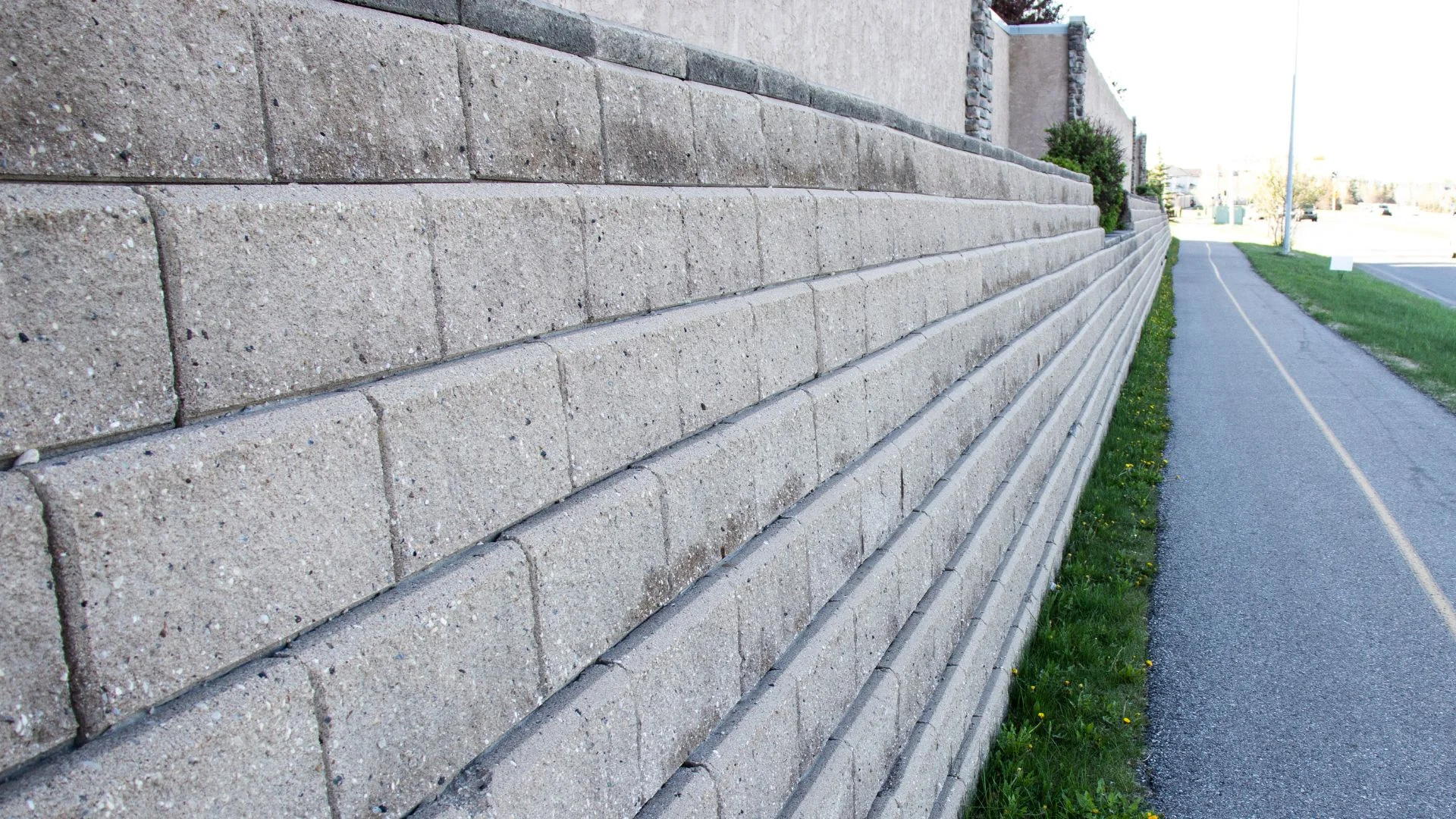
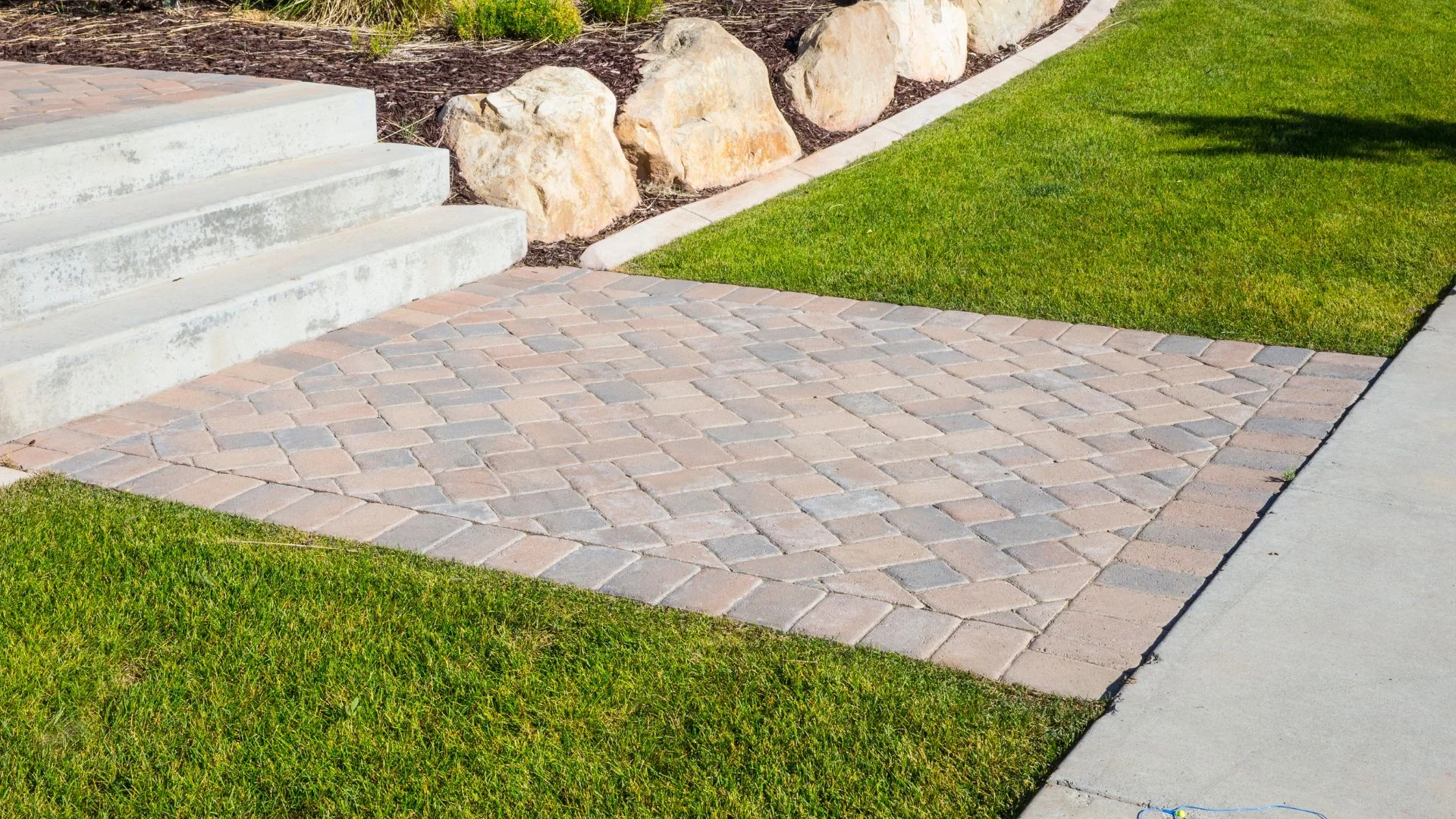
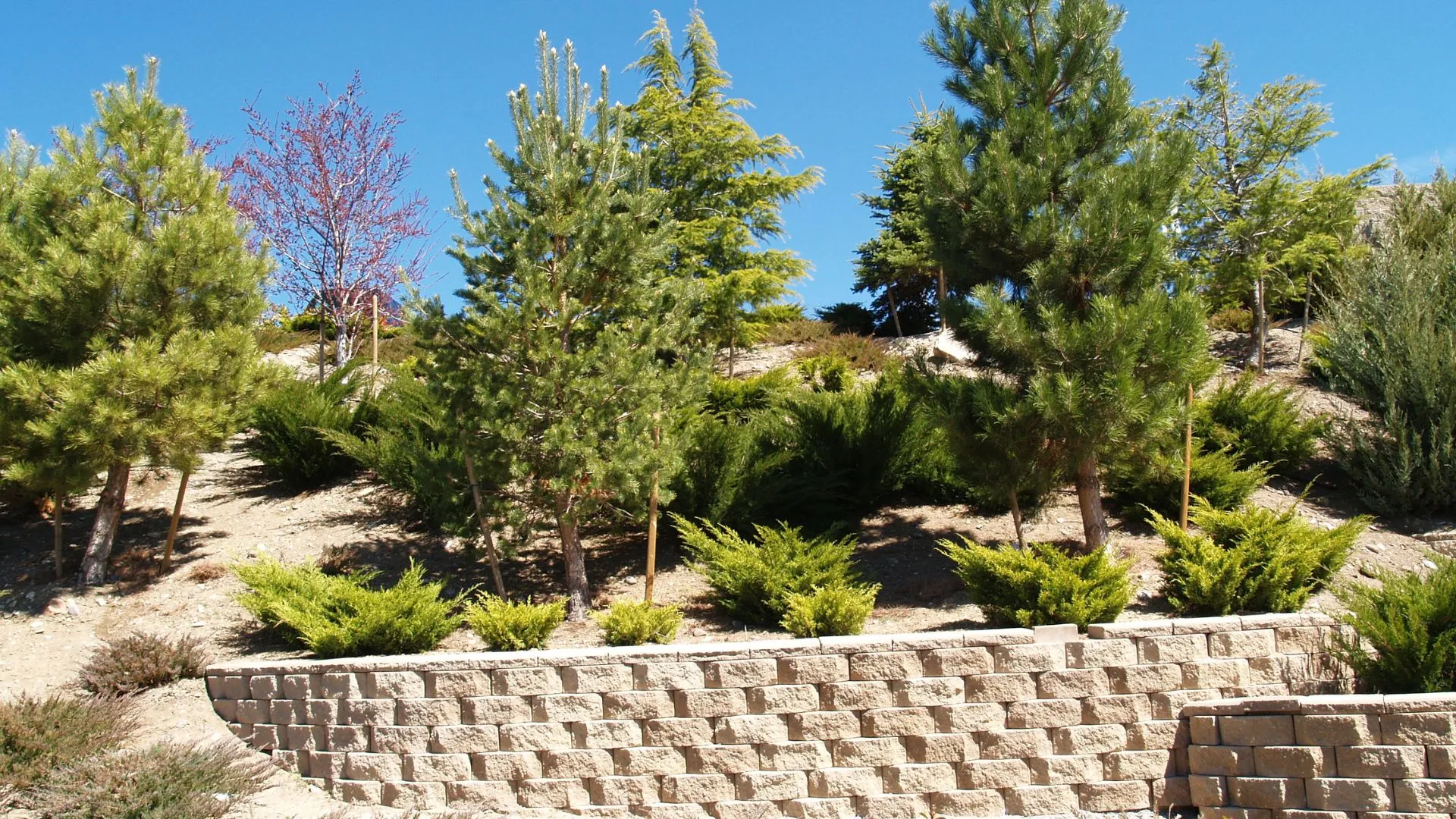
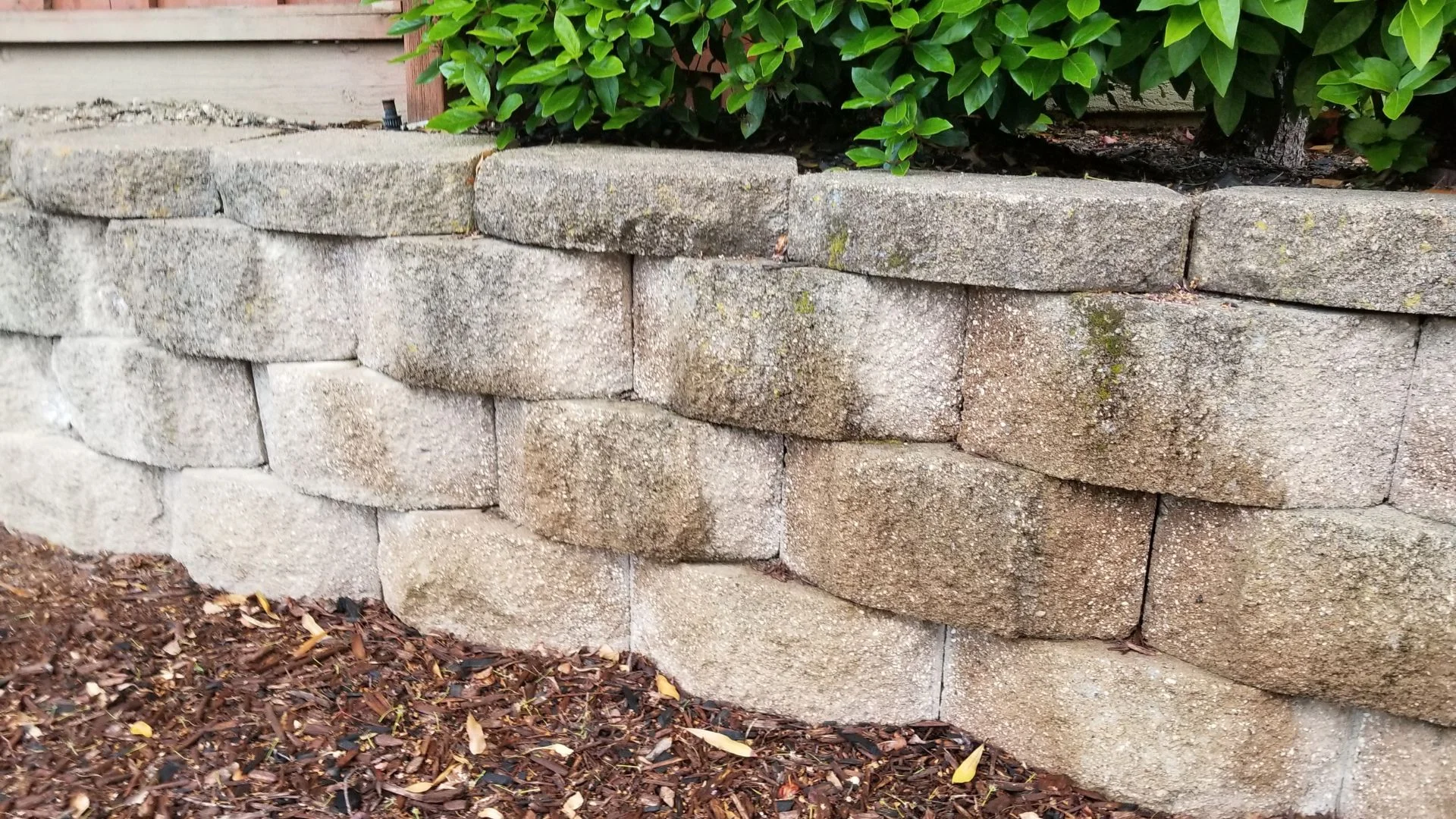
Structures pair with the ground-level work on our hardscaping and outdoor structures page — paver patios, walkways, retaining walls — and most projects involve both. A pergola needs something level and load-bearing underneath it.
Do outdoor structures need a permit in Portland?
Often not — but the thresholds are specific, and getting them wrong is expensive.
Under the Oregon Residential Specialty Code as Portland applies it (see the city’s Brochure 3 on residential outdoor projects):
- Detached, non-habitable, one-story structures of 200 square feet or less don’t need a building permit, provided they don’t exceed 15 feet in height, measured from grade plane to the average height of the highest roof surface.
- Attached patio or porch covers of 200 square feet or less don’t need a building permit either, regardless of height, as long as they’re supported by an exterior building wall.
- On lots of 2 acres or more, the exemption rises to 400 square feet, provided the structure sits at least 20 feet from all property lines and other structures.
You’ll see it claimed locally that attached pergolas and patio covers “almost always” require a permit. Portland’s own guidance says otherwise below 200 square feet. It’s worth knowing, because that misconception talks people out of projects they could simply build.
Three caveats that matter more than the thresholds:
A building permit exemption is not a zoning exemption. Setbacks, building coverage, and floor area limits still apply, and a structure placed close to a shared property line can trigger fire-separation requirements. Portland’s Zoning Information Line is 503-823-7300 — that call is free and worth making before design, not after.
A structural exemption doesn’t remove trade permits. Adding lights, a ceiling fan, or a heater to your pergola means electrical permitting regardless of the structure’s size.
And Oregon puts the duty on us, not you. Under the LCB’s administrative rules, a landscape contracting business has to pull the required permit before starting work, or confirm in writing that you or a general contractor already has. Where the work involves a structure, we also have to confirm in writing that it’s been properly engineered and municipally approved. Any contractor who shrugs at the permit question is telling you something about how they operate.
What materials hold up best in Oregon rain?
Nine wet months change the answer here, and it’s rarely the wood species that fails first.
Western red cedar is the regional default for good reason — locally milled, dimensionally stable, and naturally rot- and insect-resistant in the heartwood. For structural members in or near ground contact, pressure-treated Douglas fir does the load-bearing work.
The real failure point is where wood meets concrete. A post set directly into a footing wicks water upward and rots from the inside out, invisibly, for years before it fails. We mount posts on galvanized or stainless standoff bases that hold the timber above the slab so it can dry between rains. This single detail is the difference between a pergola that lasts fifteen years and one that needs posts replaced in six.
Fasteners have to be stainless or hot-dip galvanized. Cedar’s natural tannins react with plain steel, which corrodes the fastener and bleeds black stains down the timber. It’s a permanent, entirely preventable cosmetic problem.
On finishes, penetrating oils beat film-forming stains in this climate. A film seals moisture in as readily as out, then blisters and peels; an oil lets the wood breathe and reapplies without stripping.
Powder-coated aluminum is the zero-maintenance alternative if the look suits the house — no rot, no refinishing, no tannin issues.
Can outdoor structures be built year-round?
Technically yes, practically no — and the best approach uses the off-season deliberately.
Concrete footings need above-freezing temperatures to cure properly, and excavating footings in saturated Willamette Valley clay between November and March is slow, messy, and hard on your yard. The best build window in the Portland metro runs from late spring through early autumn.
Winter is the right time to design and permit. Plan review takes weeks rather than days, and design decisions are better made unhurried. Clients who start the conversation in January build in May. Clients who start in May are often waiting until August.
How outdoor structures are priced
Structures are quoted per project, because the range within any one category is enormous — a 10-foot arbor and a 400-square-foot covered patio are not comparable jobs.
What moves the number most:
- Footprint and span. Longer unsupported spans need larger beams, and cost climbs faster than square footage does.
- Attached or freestanding. Attaching to the house means flashing into existing construction correctly, which is skilled work.
- Roofed or open. A solid roof adds structure, load, drainage, and often permitting.
- Whether a permit and engineering are required. Over the thresholds above, add plan review and engineered drawings to the timeline and the budget.
- Material and finish grade, plus footing requirements, site access, and any electrical.
We walk the site, then quote in writing, and we don’t start until you’ve approved it. Call (971) 336-5520 or request a free quote.
Where we build
Frequently Asked Questions
What types of outdoor structures do you build?
Pergolas, arbors, gazebos, and covered patios, freestanding or attached, in cedar, pressure-treated fir, or powder-coated aluminum. Most projects also involve ground-level hardscaping, since a structure needs a level, load-bearing base.
How much does a pergola or gazebo cost in Portland?
Cost is driven by footprint and span, whether it’s attached or freestanding, open or roofed, material grade, footing requirements, and whether the size triggers a permit and engineered drawings. We quote in writing after a site walk-through. Call (971) 336-5520 with your address for an honest range.
Do I need a permit for an outdoor structure in Portland?
Often no. Detached non-habitable structures of 200 square feet or less and under 15 feet tall are exempt from a building permit, as are attached patio covers of 200 square feet or less. Zoning setbacks and coverage limits still apply, and adding electrical requires a trade permit regardless of size.
What materials hold up best in Oregon rain?
Western red cedar for visible timber, pressure-treated Douglas fir for structural members near grade, and stainless or hot-dip galvanized fasteners — cedar’s tannins corrode plain steel and stain the wood. The detail that matters most is mounting posts on standoff bases rather than setting them in concrete, so they can dry out.
Can outdoor structures be built year-round?
Builds run best from late spring through early autumn, since footings need above-freezing temperatures to cure and winter clay excavation is slow going. Winter is the right time to design and permit, so the build starts as soon as the ground allows.
Visit or Call Us
HD Landscape and Maintenance LLC 7940 SW 191st Ave Aloha, OR 97007
Phone: (971) 336-5520
Email: hdlandscapellc@gmail.com
Hours: Monday–Saturday, 7:00 am – 7:00 pm · Sunday closed
Oregon LCB Lic. #9977 · Licensed & Insured
Serving the Portland metro area including Portland, Beaverton, Aloha, Tigard, Tualatin, Lake Oswego, Hillsboro, West Linn, Wilsonville, Sherwood, Clackamas, Newberg, and Salem.


 4.9Top Rated Service 2026verified by TrustindexTrustindex verifies that the company has a review score above 4.5, based on reviews collected on Google over the past 12 months, qualifying it to receive the Top Rated Certificate.